A New Era of Accessibility and Efficiency: Talgo’s ICE-L Trains Join Germany’s High-Speed Rail Future
Source: Talgo
11/28/20252 min read
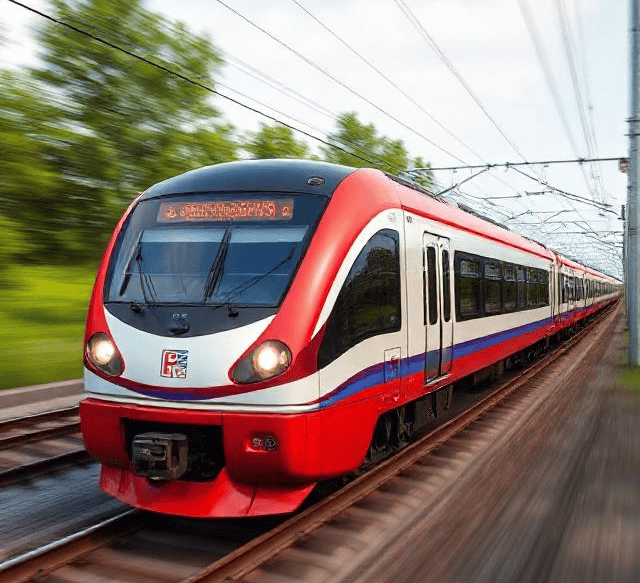
The official approval of Talgo’s new ICE-L high-speed trains by Germany’s Federal Railway Authority marks a pivotal moment for the modernization of the German passenger rail network. As reported by Railway-News, this authorization clears the way for the trains to be integrated into Deutsche Bahn’s long-distance fleet, reinforcing the operator’s commitment to expanding capacity, improving accessibility, and elevating passenger comfort. The ICE-L concept—“L” standing for low floor—represents a significant shift in high-speed rail design philosophy. Unlike most conventional high-speed units whose elevated floors require stairs at entrances, Talgo’s trainsets feature continuous low-floor access across the entire consist. This innovation directly supports Germany’s long-term strategic aim of making its railway system universally accessible, enabling barrier-free boarding for passengers with reduced mobility, travelers with heavy luggage, parents with strollers, and elderly customers who often face challenges when boarding traditional rolling stock. With the country pushing to make rail its primary long-distance transportation mode under climate and mobility strategies, the ICE-L arrives at a moment when both performance and inclusivity are being treated as core design requirements.
The approval was granted after comprehensive technical evaluation, which included independent assessments led by TÜV SÜD—one of Europe’s most respected inspection and certification bodies. These evaluations verify that the trains meet the strict safety, interoperability, and performance standards required for operation on Germany’s extensive high-speed network. The testing phase examined everything from crashworthiness and braking performance to electromagnetic compatibility and integration with German signaling systems. Talgo’s modular train architecture, characterized by lightweight articulated cars and independent wheel systems, underwent particular scrutiny due to its distinctive engineering approach compared to conventional bogie-based rolling stock. The lightweight design promises improved energy efficiency, reducing power consumption and lowering long-term operating costs for Deutsche Bahn, while the articulated configuration improves stability and ride comfort at high speeds. TÜV SÜD’s involvement ensures that the approval is not merely procedural but rooted in robust, independent technical evidence—an especially important reassurance given the high-profile nature of these trains within Germany’s modernization narrative. For Talgo, this milestone also underscores the company’s growing role in the European high-speed landscape, traditionally dominated by French, German, and Japanese manufacturers.
Beyond the regulatory achievement, the broader significance of the ICE-L introduction lies in what it symbolizes for Germany’s rail strategy over the next decade. The new trains are expected to support Deutsche Bahn’s efforts to expand long-distance capacity as passenger demand rebounds and climate policy accelerates a modal shift away from short-haul aviation. Their design emphasizes both comfort and operational flexibility: interiors include modern passenger amenities, wide aisles, multipurpose areas, and a premium climate-control system engineered for European temperature extremes. The driving coaches—built to operate seamlessly with Siemens Vectron locomotives—allow Deutsche Bahn to deploy the ICE-L on non-electrified routes when necessary, enabling true network-wide coverage. This adaptability is essential as Germany works through an unprecedented wave of infrastructure upgrades, line electrification projects, and corridor modernizations. The arrival of the ICE-L demonstrates how next-generation rolling stock can complement infrastructure investment, making the system more resilient, inclusive, and operationally efficient. As these trains enter service, they are set to strengthen Germany’s position as a leader in sustainable, accessible, and technologically advanced rail mobility—proving that the future of high-speed travel is not only faster, but also more equitable and energy-aware.