Alstom Drives Advanced Signalling Implementation on Spain’s Low-Density Rail Lines
Source: Alstom
11/27/20252 min read
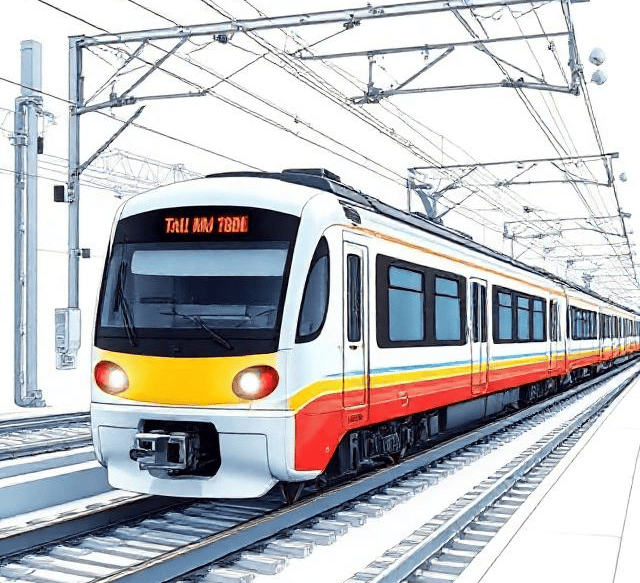
Alstom, a global leader in rail transport solutions, has commenced a strategic deployment of advanced signalling technology on Spain’s low-density railway lines, a move that promises to significantly enhance the safety, efficiency, and operational reliability of these critical but often overlooked transport corridors. The project, executed in partnership with Adif — Spain’s national railway infrastructure manager — aims to integrate the European Rail Traffic Management System (ERTMS) on rural and less-frequented lines that have historically lacked modern signalling systems. By implementing this state-of-the-art technology, Alstom and Adif hope to standardize operations across the network, reduce potential human errors, and enable smoother coordination between train operators and control centers. The initiative reflects a broader European commitment to modernize railway infrastructure while also supporting sustainable and resilient transport solutions in less-populated regions.
The ERTMS system represents the forefront of digital railway signalling technology, offering continuous train control, automated speed supervision, and real-time communication between trains and trackside equipment. On low-density lines, where traditional signalling can be sparse or outdated, ERTMS deployment allows operators to monitor train movements more precisely, reduce delays, and optimize track usage. Alstom’s role in this rollout includes providing the technological architecture, installation, and integration of the signalling systems with existing infrastructure. Additionally, advanced diagnostic and predictive maintenance capabilities built into ERTMS will allow Adif to anticipate operational issues before they arise, minimizing service disruptions. This deployment is particularly vital for regional passenger services and freight lines that serve rural communities, ensuring that these areas benefit from the same levels of safety and efficiency historically reserved for busier corridors.
Beyond operational improvements, the project holds significant strategic value for Spain’s rail sector. By extending modern signalling to low-density lines, Alstom and Adif are supporting broader European goals of interoperability, network standardization, and carbon-efficient transport solutions. These upgrades will enable trains to operate at higher speeds where conditions allow, improve scheduling flexibility, and facilitate better integration with high-speed and mainline networks across Europe. Moreover, this project exemplifies how investment in rural rail infrastructure can support regional development, connect isolated communities, and strengthen national supply chains for freight transport. With safety, sustainability, and efficiency at its core, the deployment of advanced signalling technology on low-density lines underscores the pivotal role of innovation in modern railways and sets a benchmark for similar initiatives across Europe.