
Alstom Secures Landmark Deal to Modernize Poland’s Passenger Rail with 42 Coradia Max Trains
Source: Alstom
11/13/20252 min read
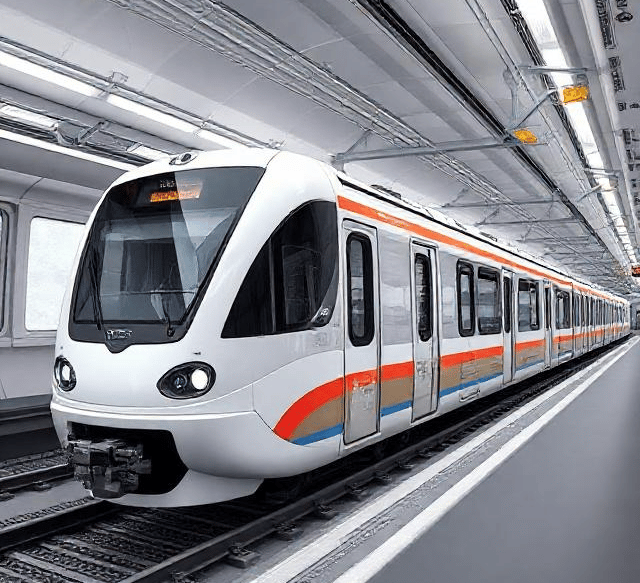
Alstom has officially signed a major contract with PKP Intercity, Poland’s premier long-distance passenger rail operator, to deliver 42 state-of-the-art Coradia Max trains. This ambitious order represents one of the largest single investments in Polish passenger rail in recent years, underscoring the country’s commitment to modernizing its rail infrastructure. The Coradia Max trains, designed with a double-deck configuration, will significantly enhance passenger capacity on some of Poland’s busiest routes, helping to meet the growing demand for efficient, reliable, and comfortable rail travel. Beyond mere capacity, the trains feature modern amenities, including ergonomic seating, digital information systems, and improved accessibility, ensuring that the new fleet aligns with contemporary passenger expectations. With these deliveries, PKP Intercity aims not only to expand its fleet but also to strengthen its reputation as a provider of high-quality, sustainable transport solutions across Poland.
From a sustainability perspective, the Coradia Max trains mark a major step forward. Built with energy-efficient traction systems and designed to reduce operational carbon emissions, they reflect Alstom’s broader commitment to environmentally responsible rail transport. As European countries strive to meet ambitious decarbonization targets, rail systems like Poland’s play a pivotal role in reducing the reliance on less sustainable modes of transport, particularly short- and medium-distance domestic flights and road travel. The introduction of these new trains is therefore not just a capacity upgrade but also a strategic move toward greener mobility, aligning with EU and national policies that prioritize sustainable infrastructure investment. Furthermore, the advanced safety features integrated into the Coradia Max trains—including modern braking systems, enhanced crashworthiness, and digital monitoring technologies—ensure that this modernization effort prioritizes both passenger well-being and operational reliability.
The broader significance of this deal extends beyond Poland’s borders, highlighting trends in European rail markets where modernization, efficiency, and sustainability are increasingly driving procurement decisions. Orders of this magnitude demonstrate that governments and operators continue to prioritize rail as a key element of national transport strategies, fostering opportunities for manufacturers like Alstom. The project also signals confidence in the resilience and growth potential of the European rolling stock market, despite economic uncertainties and rising costs in the infrastructure sector. For passengers, the expected result is more comfortable, reliable, and environmentally friendly journeys; for operators, it is a boost in capacity and service flexibility; and for the industry, it reinforces the viability of high-tech, sustainable rail solutions. As the first trains are delivered and deployed on Polish lines in the coming years, they will serve as a tangible example of how modern rolling stock can transform travel experiences while advancing broader environmental and infrastructure objectives.