
Argentina’s Belgrano Cargas Privatization: Transforming South America’s Freight Rail Landscape
Source: Reuters
12/10/20252 min read

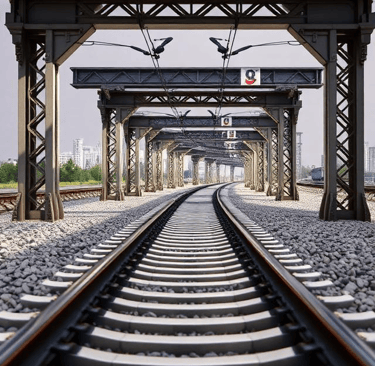
Argentina is taking a bold step toward modernizing its freight rail infrastructure by moving forward with the privatization of Belgrano Cargas, the nation’s primary freight railway network. Once the backbone of Argentina’s industrial and agricultural logistics, Belgrano Cargas has suffered from decades of underinvestment, aging infrastructure, and declining efficiency. The government’s privatization initiative aims to address these challenges by inviting private investment to rehabilitate tracks, upgrade locomotives and rolling stock, and implement modern operational practices. Beyond improving domestic transport efficiency, the initiative is strategically positioned to enhance Argentina’s export capabilities. Agricultural producers, particularly those in remote regions such as Salta and Jujuy, and mining firms in northern provinces, have long faced logistical bottlenecks, driving up transport costs and limiting competitiveness in international markets. By opening Belgrano Cargas to private management, the government hopes to lower operational costs, improve service reliability, and create a more market-responsive freight network capable of supporting the country’s economic ambitions.
The privatization plan has already attracted attention from both domestic and international investors. Major mining companies and logistics operators have reportedly expressed interest in participating, reflecting the potential profitability of a modernized freight corridor that connects resource-rich northern provinces with export ports in the Atlantic and Pacific corridors. Investors are particularly keen on leveraging the railway’s strategic position to transport bulk commodities, including soy, wheat, corn, and minerals, more efficiently to international markets. By modernizing loading and unloading facilities, introducing digital tracking systems, and investing in energy-efficient locomotives, private operators could significantly reduce transit times, enhance cargo security, and optimize rail network capacity. Moreover, the introduction of private-sector expertise and capital may catalyze broader innovations in rail management, maintenance, and logistics planning — transforming Belgrano Cargas into a model for freight rail modernization across South America.
The broader implications of this privatization extend well beyond Argentina’s borders. Efficient freight rail is a cornerstone for regional trade integration, particularly within Mercosur, South America’s primary trade bloc. A revitalized Belgrano Cargas could facilitate faster, more cost-effective cross-border transport of agricultural and industrial goods to Brazil, Paraguay, and Uruguay, strengthening intra-regional supply chains and boosting competitiveness on a global scale. Additionally, the environmental benefits of shifting bulk transport from road to rail are considerable: reduced fuel consumption, lower greenhouse gas emissions, and decreased highway congestion. As privatization progresses, close oversight will be required to balance investor interests with public objectives, ensuring equitable access, fair pricing, and sustainable practices. Ultimately, if successful, Argentina’s Belgrano Cargas privatization could serve as a transformative case study for rail freight modernization in other Latin American nations, demonstrating how strategic investment and innovative management can unlock the full potential of underutilized rail infrastructure.