
Chile Launches Latin America’s First Hydrogen Locomotive: A Milestone for Sustainable Rail
Source: Chile gov
12/11/20252 min read
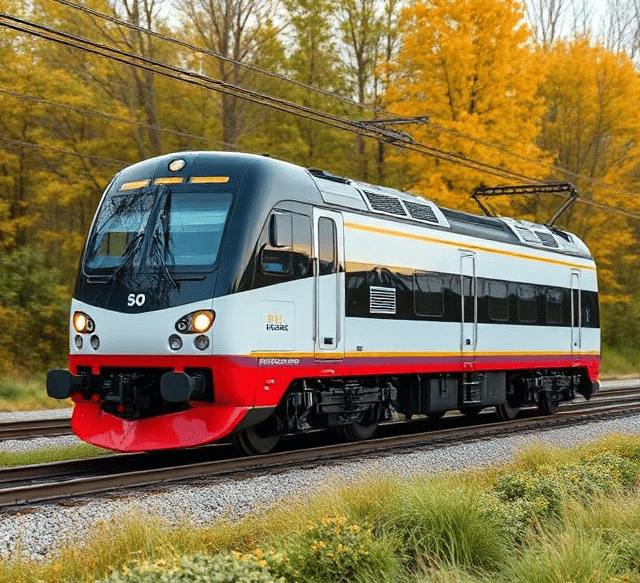
In a groundbreaking development for sustainable transport in Latin America, the Chilean railway operator Ferrocarril de Antofagasta has officially introduced the region’s first hydrogen-powered locomotive. This pioneering move represents a significant step toward decarbonizing rail freight operations and demonstrates Chile’s commitment to leveraging clean energy technologies in its transport infrastructure. The new locomotive, which combines fuel-cell technology with advanced battery systems, is designed to replace diesel-powered units on regional freight routes, thereby reducing greenhouse gas emissions, noise pollution, and fuel dependency. The pilot program, now underway, is part of a broader strategy by Ferrocarril de Antofagasta and the Chilean Ministry of Transport to explore innovative, low-carbon alternatives for freight logistics, reflecting global trends in sustainable mobility. Not only does the introduction of hydrogen propulsion position Chile at the forefront of Latin American rail innovation, but it also signals the country’s readiness to integrate emerging technologies that align with national and international climate goals.
The deployment of the hydrogen locomotive carries substantial economic and operational implications for Chile’s freight network. Ferrocarril de Antofagasta primarily transports minerals, industrial goods, and other commodities from mining regions in northern Chile to ports and distribution centers along the Pacific coast. The hydrogen locomotive is expected to improve operational efficiency through reduced refueling times and increased reliability, particularly in remote areas where diesel supply and infrastructure pose logistical challenges. By mitigating reliance on fossil fuels, the operator anticipates significant cost savings over the locomotive’s lifecycle, despite the initial investment required for hydrogen production and refueling infrastructure. Furthermore, the pilot project provides an opportunity to gather data on performance under Chile’s unique geographic and climatic conditions, ranging from the arid Atacama Desert to the higher-altitude Andean passes. Insights gained will inform decisions regarding the broader adoption of hydrogen locomotives, with potential expansion to other routes and integration into international freight corridors connecting Chile to neighboring countries such as Bolivia and Peru. The project also supports Chile’s national decarbonization roadmap, which emphasizes clean energy adoption across industry and transportation sectors, thereby contributing to emissions reduction targets set under the Paris Agreement.
Beyond economic and operational benefits, the introduction of a hydrogen-powered locomotive carries profound environmental and strategic significance for Latin America. Rail transport is already recognized as one of the most energy-efficient modes of freight movement, but transitioning from diesel to hydrogen further enhances its sustainability profile. By reducing carbon dioxide and nitrogen oxide emissions, the technology helps mitigate climate change impacts while improving air quality along heavily trafficked freight corridors. Additionally, hydrogen locomotives offer quieter operation, reducing noise pollution for communities near rail lines. Strategically, Chile’s adoption of hydrogen rail technology establishes a model for neighboring countries, demonstrating the feasibility of large-scale hydrogen deployment in freight transport. As governments and private operators across Latin America increasingly explore alternative fuels, Chile’s pioneering initiative is likely to catalyze regional interest, investment, and collaboration in clean-energy rail solutions. The success of this pilot could usher in a new era of sustainable freight rail in Latin America, combining innovation, environmental stewardship, and operational efficiency, while positioning Chile as a leader in the region’s transition toward a low-carbon transportation future.