
China’s High-Speed Rail Vision 2030: A New Era of National Connectivity
Source: China state council information
11/22/20252 min read
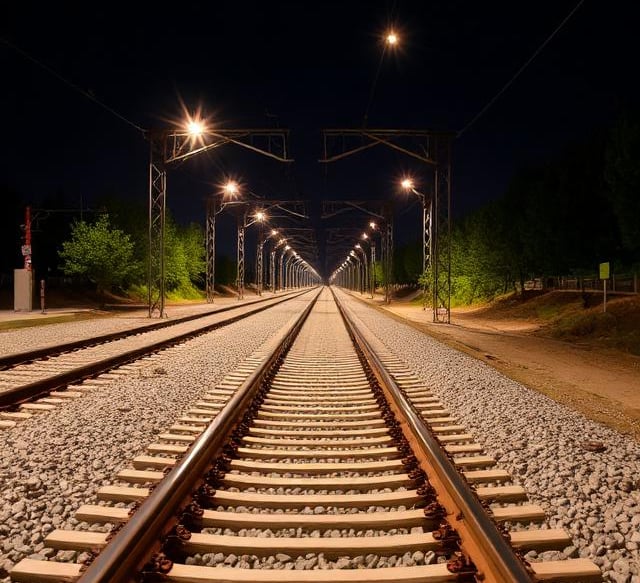
China’s plan to expand its already world-leading high-speed rail network marks the next major chapter in the country’s transportation revolution. As of the end of 2024, China operates roughly 48,000 kilometers of high-speed railway—more than the rest of the world combined. Yet the country is not slowing down. By 2030, the operational high-speed network is projected to reach an astonishing 60,000 kilometers, a scale that will knit together nearly all major urban clusters and dramatically reshape regional mobility, economic integration, and population flow. This expansion is part of a broader governmental strategy outlined by the State Council Information Office and echoed by authoritative national media such as People’s Daily, emphasizing improved intercity travel, reduced congestion in megacities, and the continued strengthening of China’s domestic supply chain resilience. The high-speed rail blueprint is not only ambitious in length but transformative in intention: it aims to make ultrafast travel between major regions routine, shorten economic distances, and support deep-seated structural reforms such as the rise of new growth poles beyond the traditional coastal provinces.
The broader national railway network—encompassing freight rail, conventional passenger lines, heavy-haul corridors, and specialized logistics routes—is also set for major expansion. China’s total railway mileage, which stood at about 162,000 kilometers in 2024, is projected to grow to 180,000 kilometers by 2030, reinforcing the country’s push toward multimodal connectivity and sustainable development. People’s Daily has highlighted that this expansion is designed not merely to add mileage for its own sake but to address practical nationwide needs: bridging infrastructure gaps between inland and coastal regions, supporting the rise of western and central cities, and ensuring that even remote counties are more effectively tied into national development. As China continues its urbanization process and industrial restructuring, the role of rail—especially in freight logistics—becomes even more essential. Rail remains the most energy-efficient and land-efficient mode of long-distance land transport, and an expanded network will reduce dependence on long-haul trucking, cut carbon emissions, and enhance the movement of bulk commodities, agricultural products, and manufactured goods. This structural improvement is particularly important for provinces where logistics bottlenecks have historically impeded growth or kept transportation costs high relative to coastal competitors.
To support this massive expansion, China plans significant investment in 2025 alone, with 590 billion yuan in fixed-asset railway investment, which includes the construction of approximately 2,600 kilometers of new track. This level of investment underscores the country’s ongoing confidence in infrastructure as a pillar for long-term economic stability, counter-cyclical stimulus, and technological advancement. The 2025 investment plan is not just about laying new rails—it also includes funds earmarked for upgrading aging infrastructure, enhancing digital signaling systems, improving energy efficiency, and refining the passenger experience through smarter scheduling, more comfortable rolling stock, and better station-area integration. Modernization efforts align with China’s broader shift from rapid expansion to high-quality development, meaning greater emphasis on reliability, sustainability, and service optimization. The expansion and modernization of China’s railway network between 2024 and 2030 will thus not only reshape domestic travel but also deepen the country’s technological leadership in high-speed rail engineering, operational management, and intelligent transportation systems. As China continues to push the boundaries of transportation innovation, the next decade is set to usher in unprecedented levels of national interconnectedness—an era where fast, efficient, and green transport becomes the foundation of both mobility and economic vitality.