
Colombia Launches Major $545 Million Rail Corridor Upgrade to Boost National Connectivity and Logistics
Source: Ministry of Transportation / Colombia official site
10/31/20252 min read
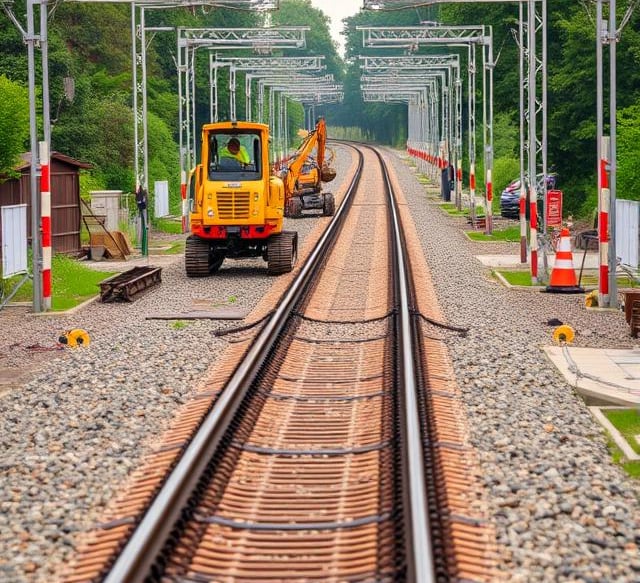
Colombia has embarked on one of its most ambitious railway infrastructure projects in recent decades with the signing of a US$545 million contract to upgrade and maintain the 526-kilometer La Dorada–Chiriguaná rail corridor. This route, which stretches from the central department of Caldas to the northern region of Cesar, serves as a critical link between Colombia’s inland production hubs and its Caribbean ports. The modernization of this corridor is designed to revitalize a rail system that has long been underutilized, positioning it once again as a vital pillar of the country’s logistics and transport network. The government’s commitment to investing heavily in this project reflects a broader strategy to shift freight transport away from congested highways and toward more sustainable, efficient rail solutions.
The comprehensive works under the ten-year contract will focus on rehabilitating track infrastructure, improving drainage systems, reinforcing bridges, and upgrading signaling and control technologies. These measures aim to enhance the performance and reliability of the corridor, ensuring smoother and faster train operations for both freight and passenger services. The project will also include track realignment in sections affected by terrain instability, along with the replacement of aged rails and sleepers. Once completed, the corridor is expected to accommodate heavier trains and higher speeds, significantly cutting transit times between Colombia’s industrial centers and ports such as Santa Marta and Cartagena. Moreover, the modernization will reduce transportation costs for exporters, providing a competitive boost to sectors like agriculture, mining, and manufacturing. Beyond physical upgrades, the project involves a robust maintenance framework designed to ensure that the rail line remains operational and efficient for the full duration of the decade-long concession period.
From a strategic standpoint, the La Dorada–Chiriguaná project signals Colombia’s renewed focus on rebuilding its rail sector as a driver of sustainable economic growth. Rail transport has historically played a limited role in the country’s logistics chain, accounting for less than 1% of national freight volumes in recent years. By investing in rail rehabilitation, Colombia aims to diversify its transport modes, reduce greenhouse gas emissions, and enhance resilience against road congestion and rising fuel costs. The government’s decision to structure the project as a long-term contract underscores its intent to attract private sector participation and ensure continuity in operations and maintenance. It also aligns with national efforts to integrate Colombia more effectively into regional trade routes, including potential future connections to neighboring countries. For local communities along the corridor, the initiative is expected to create thousands of jobs during construction and stimulate economic activity in adjacent towns. As this landmark project advances, Colombia’s railway renaissance is gaining tangible momentum, reinforcing the vision of a more connected, competitive, and environmentally responsible transport future for the nation.