Ethiopia-Djibouti Railway: Strengthening East African Connectivity
Source: Ethiopian Railways Corporation (2025). Ethiopia-Djibouti Railway Project Overview
10/31/20251 min read
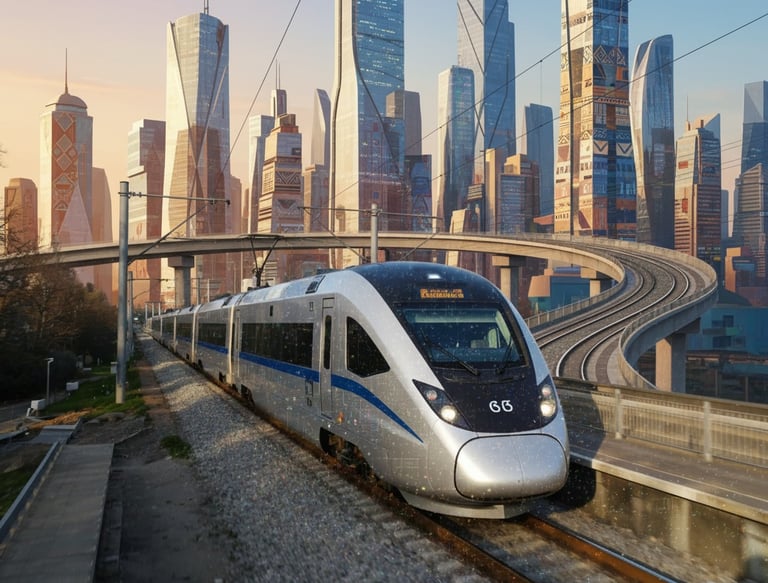
The Ethiopia-Djibouti Railway stands as one of the most ambitious and transformative railway projects in Africa, connecting landlocked Ethiopia to the port of Djibouti. This electrified standard-gauge railway, operational since recent years, is undergoing further enhancements to increase capacity, reduce transit times, and support growing trade between the two nations. By providing a reliable alternative to road transport, the railway plays a crucial role in facilitating the export of Ethiopian goods, particularly coffee, livestock, and industrial products, while also enabling efficient imports essential for Ethiopia’s expanding economy.
The project incorporates modern railway technologies, including electric locomotives, advanced signaling systems, and high-capacity freight terminals. Passenger services are also being enhanced to provide safe, comfortable, and timely travel options for commuters along the route. This dual focus on freight and passenger transport exemplifies the railway’s role in promoting economic development, regional integration, and social mobility. Moreover, the line serves as a model for infrastructure-led growth in Africa, demonstrating the benefits of high-capacity, sustainable rail systems in supporting both commerce and connectivity.
Environmental sustainability is a key component of the Ethiopia-Djibouti Railway’s long-term strategy. By shifting significant volumes of freight from trucks to electric trains, the project reduces greenhouse gas emissions and road congestion, contributing to cleaner and more efficient transport. The railway also aligns with broader African Union initiatives to enhance cross-border infrastructure, foster regional trade, and integrate continental transport networks. As Africa continues to invest in rail infrastructure, the Ethiopia-Djibouti Railway provides a blueprint for leveraging modern rail technology to drive economic growth, social development, and sustainable transport solutions across the continent.