Eurostar and Deutsche Bahn Advance Direct UK–Germany Rail Link
Source: Gov UK
12/5/20252 min read
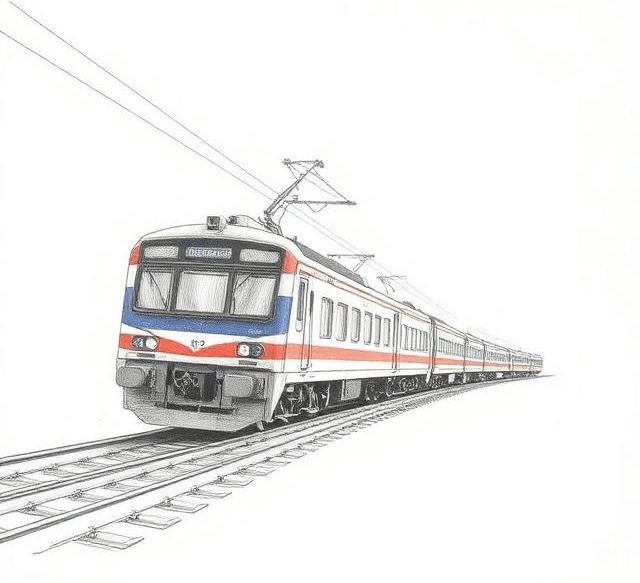
Eurostar and Deutsche Bahn have taken a decisive step toward launching a direct passenger rail connection between the United Kingdom and Germany. The recent agreement between the two major operators aims to simplify cross-border travel by eliminating the need for transfers through Brussels or Paris, which are currently part of most UK–Germany rail journeys. This collaboration represents a significant milestone in European rail transport, demonstrating a strong commitment to enhanced connectivity and cooperation between national and international rail providers. The proposed direct route is expected to cut travel times, offering a faster and more convenient alternative to existing multi-leg services, thereby making rail travel increasingly competitive with air transport for major city pairs such as London–Berlin and London–Frankfurt.
The benefits of a direct UK–Germany rail link extend beyond mere convenience for passengers. By providing a more efficient rail alternative to short-haul flights, the initiative supports the broader goal of sustainable travel in Europe. Aviation contributes substantially to carbon emissions, and reducing the number of short flights between major European cities is an essential component of environmental strategies targeting the transport sector. Additionally, the direct route is anticipated to boost tourism and business travel, as travelers can move quickly and comfortably between key economic hubs without the need to navigate multiple transfers. For the rail operators, the project represents an opportunity to attract new customers and enhance the attractiveness of long-distance train travel, potentially increasing passenger volumes and revenue while strengthening the overall competitiveness of European rail networks.
Strategically, this agreement also carries political and economic significance in a post-Brexit Europe. Strengthening rail-based connectivity between the UK and Germany demonstrates a continued commitment to integrated European transport infrastructure despite the UK’s departure from the European Union. It aligns with ongoing EU initiatives aimed at promoting cross-border rail mobility and encouraging sustainable transport modes across member and partner states. Furthermore, the collaboration sets a precedent for future bilateral and multilateral rail projects, potentially serving as a model for additional direct international routes linking major European cities. If successfully implemented, this direct UK–Germany service could reshape travel patterns, fostering closer economic, cultural, and social ties between the two nations while contributing to a greener, more connected Europe.