FS Sets Its Sights Beyond Italy: A Bold International Expansion for Europe’s Rail Future
Source: Reuters
12/12/20252 min read
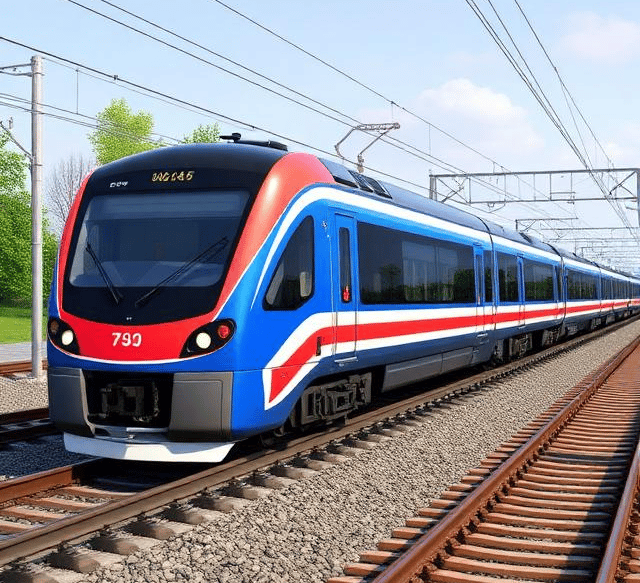
Italy’s state railway group, Ferrovie dello Stato Italiane (FS), is embarking on one of the most ambitious international growth strategies seen in the European rail sector in decades. The move reflects a transformative shift from a traditionally nation-focused operator into a multinational mobility group positioning itself to compete on the continent’s busiest high-speed corridors. Central to this effort is FS’s plan to introduce 10–12 new high-speed services between London and Paris by 2029, a route long dominated by Eurostar. This would mark a historic milestone: the first time a foreign operator challenges Eurostar on the Channel Tunnel market since its inception. The strategy is supported by the group’s impressive recent performance, its technical expertise through subsidiaries such as Trenitalia, and the success of its Frecciarossa 1000 fleet, which has already proven competitive in Spain and France. Beyond the prestige of a new international flagship route, FS is motivated by a broader push to diversify revenue, reduce dependency on the Italian domestic market, and enhance its influence within the liberalized European rail ecosystem, where competition is increasingly encouraged by EU policies.
FS's ambitions extend far beyond a single corridor. The company is actively evaluating high-speed operations in Germany, a critical market due to its size, connectivity, and ongoing push toward modal shift from short-haul aviation to sustainable rail travel. Germany’s rail sector is undergoing significant change, with Deutsche Bahn facing capacity challenges and infrastructure backlogs, creating opportunities for competitors to introduce new international connections. FS hopes to leverage its fast-growing European presence—especially the success of its Trenitalia France subsidiary, which already runs Milan–Paris high-speed services—to establish new cross-border routes linking major economic hubs. This vision aligns with the European Union’s wider objective of improving continental cohesion through interoperable rail networks, reduced travel times, and more energy-efficient mobility solutions. FS is positioning itself as a company capable not only of competing with major incumbents like DB, SNCF, and ÖBB, but also of filling service gaps and offering new travel patterns that reflect the evolving needs of business and leisure passengers. Coupled with its growing investment portfolio in infrastructure, digital technologies, and international subsidiaries, the company’s rise mirrors the trajectory of airlines in the early days of European liberalization—only now, the competitive battleground is high-speed rail.
At the heart of FS’s global strategy is a vision for sustainable, long-term growth. The group is implementing a multi-layered plan to nearly double its revenue and international footprint by 2030, supported by infrastructure projects, rolling stock renewal, and partnerships with foreign governments and operators. The planned London–Paris services are a centerpiece, but FS also aims to expand into North America, strengthen logistics capabilities, and increase interoperability across its existing international holdings in Greece, the UK, and Spain. As governments across Europe push for decarbonization and seek alternatives to short-haul flights, FS is positioning itself as one of the few operators capable of delivering high-speed, energy-efficient mobility at scale. Its modern fleet, operational expertise, and competitive pricing could reshape the dynamics of cross-border travel in the coming decade. If FS’s strategy unfolds as planned, Europe could see a more pluralistic, vibrant, and connected rail market—one in which passengers benefit from more choice, better services, and a rail ecosystem driven by innovation rather than monopoly.