
India Advances Rail Capacity with UT–Morinda–Ludhiana Track Doubling and Key Projects
Source: Times of India
11/13/20252 min read
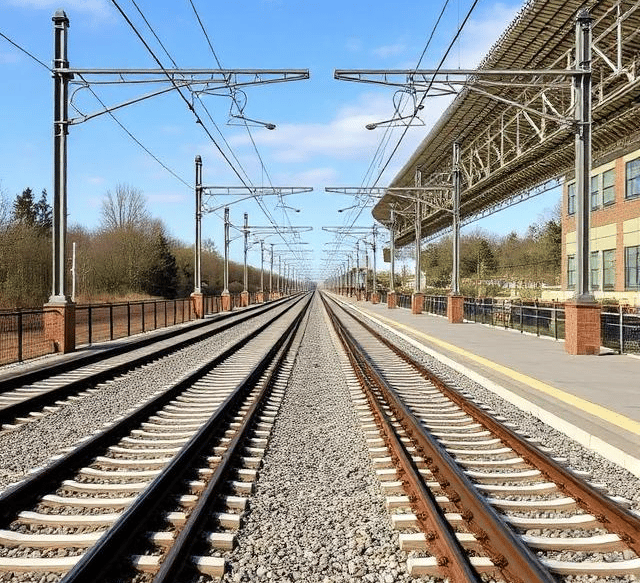
The Indian Railways has officially commenced the doubling of the railway track between the Union Territory (UT)–Morinda and Ludhiana section, a strategic move aimed at enhancing connectivity and operational efficiency in one of the country’s busiest regions. Track doubling is a critical infrastructure upgrade that allows trains to travel in both directions simultaneously, significantly reducing congestion and delays on previously single-track routes. This initiative is part of a broader series of rail projects across northern India, including the development of the Chandigarh–Yamunanagar and Chandigarh–Baddi lines, reflecting the government’s commitment to expanding capacity, improving reliability, and supporting the country’s growing passenger and freight transport needs. For commuters, these improvements promise smoother, more punctual journeys, while freight operators can expect better efficiency, reduced turnaround times, and lower operational costs.
From a technical and operational standpoint, track doubling represents a major step forward in modernizing India’s rail infrastructure. The project involves laying parallel tracks, upgrading signaling systems, and enhancing stations along the corridor to accommodate increased traffic. By allowing more trains to run simultaneously and safely, the doubling process addresses a key bottleneck in regional rail operations, while creating opportunities to introduce faster, more frequent passenger services. Additionally, the initiative is aligned with India’s broader vision for a more sustainable and efficient transport network, where rail continues to play a central role in reducing road congestion and minimizing carbon emissions. This phase of infrastructure investment demonstrates the government’s recognition that modern, high-capacity rail corridors are essential for economic growth, regional connectivity, and the integration of urban and industrial centers.
The commencement of the UT–Morinda–Ludhiana doubling project also signals a broader trend of significant rail investment in India, an emerging market with rapidly expanding mobility demands. As major lines are upgraded and new routes developed, opportunities arise for rolling stock manufacturers, technology providers, and construction firms to participate in this growth. These projects not only enhance transportation efficiency but also stimulate regional economic development by improving access to markets, resources, and labor pools. Furthermore, enhanced rail connectivity supports industrial growth and encourages investment in adjacent regions, reinforcing the socio-economic benefits of modernized infrastructure. In sum, the track doubling initiative, along with the simultaneous development of other strategic lines, highlights India’s ongoing commitment to strengthening its railway network, improving service quality, and positioning rail as a backbone of sustainable mobility in one of the world’s fastest-growing economies.