
India Invests ₹1,946 Crore to Boost Rail Capacity and Electrification in South-Central Zone
Source: Times of india
11/16/20252 min read
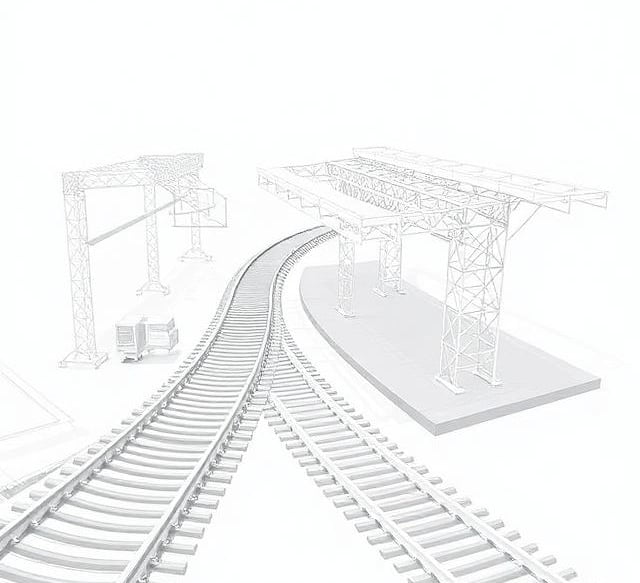

India has taken a decisive step toward modernizing its railway infrastructure with the government’s approval of ₹1,946 crore (approximately US$230 million) for key projects in the South-Central Railway zone. The investment targets both the doubling of existing tracks and the electrification of critical corridors, reflecting a strategic approach to increasing capacity, improving efficiency, and promoting sustainable transport. The Motumarri–Vishnupuram line, earmarked for doubling, plays a crucial role in regional connectivity, linking industrial hubs and agricultural areas with larger commercial centers. Doubling the tracks on this route will allow more trains to operate simultaneously, reducing congestion, shortening transit times, and improving reliability for both freight and passenger services. Such expansion is particularly important given the rising demand for rail transport in the region, which serves as a vital artery for goods movement as well as daily commuter travel.
Electrification of the Pagidipalli–Guntur corridor forms another cornerstone of the initiative, with significant implications for operational efficiency and environmental sustainability. By replacing diesel traction with electric locomotives, Indian Railways aims to reduce carbon emissions, cut fuel costs, and enhance overall energy efficiency. Electrified tracks also allow trains to accelerate and decelerate more smoothly, improving scheduling and reducing wear on rolling stock. Beyond environmental and technical benefits, the project is expected to stimulate economic activity in the region. Improved rail connectivity encourages trade, facilitates faster delivery of goods, and provides passengers with more reliable service, all of which can enhance regional development. The Pagidipalli–Guntur electrification is part of a broader vision to create a modern, high-capacity, and low-emission rail network across India, aligning with national objectives for sustainable infrastructure and climate action.
These infrastructure upgrades are part of a larger nationwide effort to modernize India’s rail system and make it more competitive and future-ready. By investing in doubling and electrification, the government is not only addressing immediate capacity constraints but also preparing the network for long-term growth, including the integration of high-speed passenger services and heavier freight loads. Such projects demonstrate a holistic approach, combining technological modernization with strategic planning and investment in human and operational resources. The South-Central Railway zone is just one example of how targeted infrastructure development can deliver multiple benefits—reducing travel times, improving reliability, lowering emissions, and supporting economic growth. Ultimately, this ₹1,946 crore investment underscores India’s commitment to transforming its railways into a world-class, efficient, and sustainable transport system capable of meeting the demands of the 21st century.