
Iran Launches First Domestic Freight Train to Central Asia to Boost Regional Rail Diplomacy
Source: Iran Gov
12/4/20252 min read
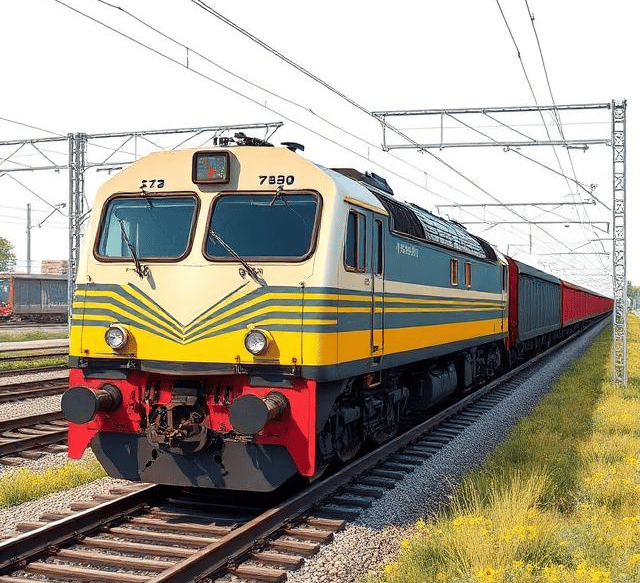
In a significant move to expand its influence in Eurasian logistics, Iran has dispatched its first domestically manufactured freight train to Central Asia, marking a milestone in the country’s 2025 rail diplomacy initiative. This launch underscores Tehran’s ambition to position itself as a pivotal transit and trade hub between the Middle East, Central Asia, and Europe. The domestically built train symbolizes Iran’s growing technical capabilities in railway manufacturing, reflecting years of investment in local engineering, production, and transport infrastructure. By sending this freight train across borders, Iran demonstrates both operational readiness and strategic intent to enhance regional connectivity, reduce reliance on traditional maritime routes, and provide faster, more cost-effective alternatives for cargo transport in the region.
The train’s design and operation are optimized for international freight corridors, capable of carrying bulk commodities, industrial goods, and containerized cargo over long distances. The new rail service leverages Iran’s existing rail network, which links to Central Asian states such as Turkmenistan, Uzbekistan, and Kazakhstan, ensuring seamless connectivity for both exports and imports. This initiative not only supports commercial trade but also strengthens diplomatic and economic ties with Central Asian partners by facilitating smoother, more predictable transport channels. Modern logistics technologies incorporated in the train, including real-time tracking, energy-efficient propulsion systems, and advanced braking mechanisms, are intended to enhance operational safety and reliability. The integration of these technical capabilities demonstrates Iran’s commitment to aligning with international rail standards, enabling interoperability across borders and promoting confidence among regional trade partners.
Beyond operational and technical achievements, this development carries significant geopolitical and economic implications. By providing a domestically built solution for freight transport, Iran positions itself as a more autonomous and strategic player in Eurasian logistics, capable of competing with alternative routes such as the Northern Corridor through Russia or maritime pathways via the Persian Gulf. Economically, the initiative is expected to stimulate domestic rail manufacturing, create skilled jobs in engineering and logistics, and encourage cross-border trade by offering a faster, more reliable freight option. Diplomatically, the move strengthens Iran’s ties with Central Asian countries, facilitating trade, collaboration, and regional stability. In the long term, expanding its role as a logistics hub allows Iran to influence Eurasian trade flows, enhance its soft power in regional affairs, and reinforce the strategic relevance of rail transport as a sustainable, efficient, and secure mode of commerce in the 21st century. This first deployment of a domestically manufactured freight train marks the beginning of a broader effort to integrate Iran more deeply into international rail corridors and to assert its position as a key player in the evolving Eurasian transport landscape.