
Islamabad–Tehran–Istanbul Railway Set to Resume Strategic Freight Services
Source: Tehran Times
12/1/20252 min read
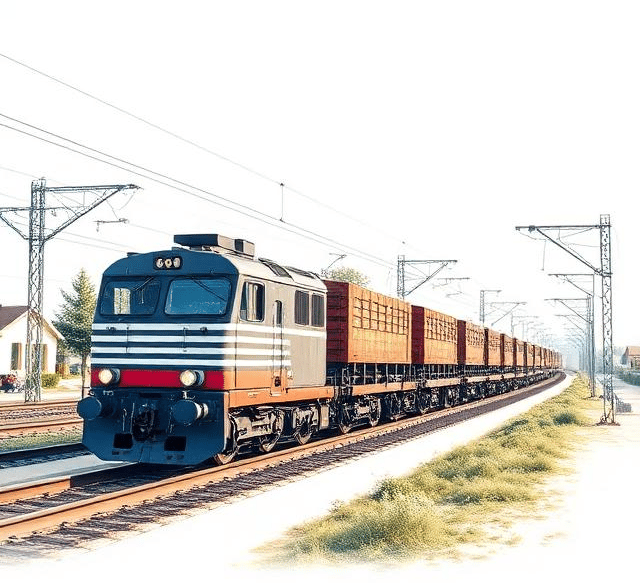
The Islamabad–Tehran–Istanbul (ITI) Railway freight corridor is poised to resume operations by the end of December 2025, marking a major milestone for trans‑Eurasian overland logistics. Authorities from Pakistan, Iran, and Turkey have jointly agreed to restart container‑train services along this strategic route, with freight services slated to commence around 31 December 2025. The revival of the ITI corridor highlights growing recognition of the need for efficient, reliable alternatives to maritime transport for goods moving between South Asia, the Middle East, and Europe. Since its initial inception, the ITI line has served as a vital link for trade, but operational challenges and political shifts led to intermittent suspensions. The renewed commitment by all three countries reflects both economic pragmatism and a shared interest in strengthening regional connectivity and trade resilience.
The ITI corridor spans more than 4,000 kilometers, linking Pakistan’s industrial hubs with key European markets via Iran and Turkey. This overland route offers significant time and cost advantages over traditional maritime shipping, which can take weeks longer and is vulnerable to port congestion, weather delays, and geopolitical risks. Freight transported along the ITI line will include a diverse array of goods, from manufactured products and textiles to agricultural commodities and energy equipment. The line’s revival is expected to provide substantial benefits to exporters and importers, particularly small and medium-sized enterprises that depend on predictable transit schedules and cost-effective logistics. Additionally, the corridor has the potential to alleviate pressure on maritime supply chains, which have faced disruptions in recent years, offering a complementary and more flexible option for regional trade.
From a strategic perspective, the ITI corridor is more than just a freight route; it represents a tangible step toward integrating regional economies and enhancing Eurasian trade flows. By providing an alternative overland route, the corridor strengthens economic interdependence among Pakistan, Iran, and Turkey, and opens up potential links to broader European rail networks. Analysts predict that the revived ITI services could shorten transit times by several days compared to sea routes, while also lowering the carbon footprint of freight operations — an increasingly important factor as governments and companies seek to reduce emissions across supply chains. Beyond economic and environmental benefits, the corridor also underscores the geopolitical significance of rail infrastructure as a tool for regional cooperation and stability. With the restart of ITI freight services, the corridor is poised to play a key role in shaping trade dynamics across Eurasia for the foreseeable future, offering faster, greener, and more reliable transportation options for goods spanning three continents.