JR East Unveils Next-Generation ‘East-i’ Shinkansen Inspection Train and Tokyo Station Upgrades by 2029
Source: Japan times
11/12/20251 min read
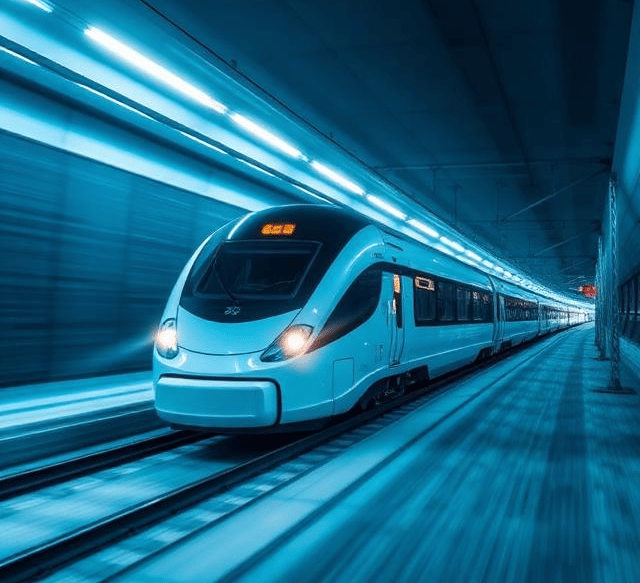
East Japan Railway Company (JR East) has announced plans to develop and deploy a next-generation version of its famed “East-i” inspection train by fiscal year 2029. The upgraded train will be capable of operating at up to 320 km/h, matching the top speeds of the latest Shinkansen passenger services, and will integrate advanced sensing and diagnostic technologies for automated, high-precision monitoring of track, overhead line and signalling conditions. The new system aims to improve inspection efficiency, reduce manual intervention and enhance the safety management of Japan’s high-speed rail infrastructure, which is among the busiest and most punctual in the world.
The introduction of the new “East-i” successor forms part of JR East’s wider Smart Maintenance Initiative, which leverages AI, big-data analytics and real-time digital monitoring to predict faults before they occur. Unlike the current generation of inspection trains, which require extensive scheduling windows to operate during non-revenue hours, the new model will be able to conduct more flexible assessments with minimal disruption to regular Shinkansen operations. JR East plans to integrate new onboard systems that automatically synchronise with the central operational data network, producing a continuous digital “health record” of the railway infrastructure.
Complementing this technological leap, JR East will also install platform doors at Tokyo Station’s Shinkansen platforms by the end of 2029—enhancing passenger safety and energy efficiency while supporting seamless boarding across multiple train types. The project aligns with Japan’s long-term goals of reducing operational risk, improving accessibility and maintaining its global leadership in high-speed rail reliability. It also underscores JR East’s ongoing investment in resilient, data-driven rail systems as Japan prepares for future expansions and service innovations across its Shinkansen network.