Major Changes in 2025 – International Union of Railways (UIC) Braking and Component Regulation Update
Source: UIC
11/3/20252 min read
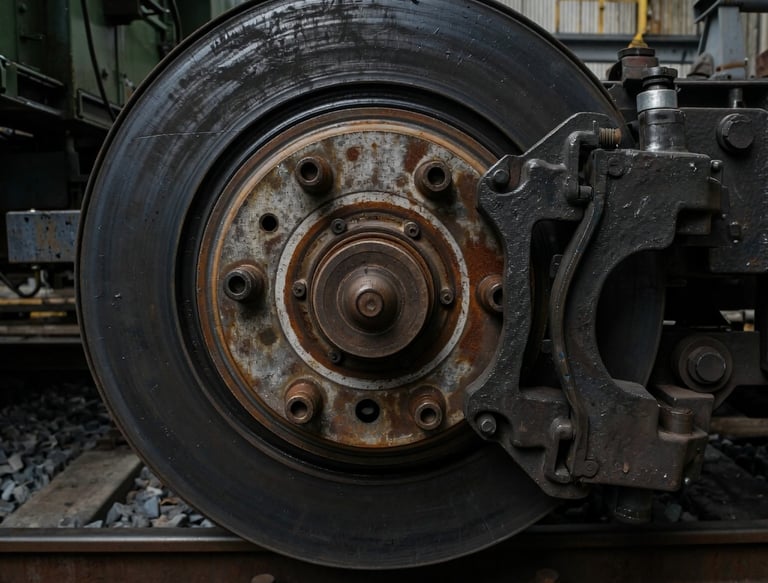
In 2025 the UIC introduced significant updates to its braking‑system and component‑labelling standards, bringing both technical alignment with European standards and enhanced conformity processes for vehicles and parts. One of the most noteworthy changes is the issuance of IRS 50546 (“Brakes – Specifications for the construction of various brake parts – High power brakes for passenger trains”), published 1 February 2025. This new document replaces the earlier Leaflet 546 (6th edition, October 2014). The update emphasises harmonisation: specifically, IRS 50546 explicitly integrates, fully or partly, existing European Norms (EN 14198, EN 15179, EN 15355, EN 15611) and sets out permissible discrepancies. The practical significance is that rolling‑stock manufacturers and braking‑system suppliers now operate under a clearer aligned framework between UIC and EN norms, reducing ambiguity and facilitating interoperability across networks.
Beyond the technical specification of brake parts, the UIC also raised the bar for product conformity and certification via its new labelling standard: IRS 50541‑00 (“Rolling Stock – Brakes issuing the UIC label for vehicle components”), published 1 October 2025. This regulation outlines the process by which components may receive the UIC label—meaning they have been assessed as conforming to relevant UIC Leaflets, IRSs, Technical Specifications for Interoperability (TSIs), EN and ISO standards, and other reference documents. A key innovation here is the formalisation of a “labelling” route: product conformity isn’t merely based on test reports, but on an approved issuance of a UIC label, which can be withdrawn immediately in the event of operating incidents. This creates a stronger traceability and quality‑control mechanism for braking system components, enhancing safety and reliability in cross‑border and multi‑system operations.
Together, these changes mark a shift in focus toward standardisation and conformity assurance. The revised braking‑parts specification (IRS 50546) simplifies the technical landscape by aligning with EN standards, thereby easing the burden on manufacturers supplying multiple regions. Simultaneously, the new labelling standard (IRS 50541‑00) introduces a formal seal of approval, encouraging manufacturers and vehicle owners to adopt components and systems that meet harmonised requirements – which is vital for interoperability on international networks. For operators and regulators, this means clearer expectations and improved oversight over braking systems and their components. In an industry where safety, reliability and interoperability are paramount, these 2025 UIC updates represent a notable step forward.