
Maksymilianowo Railway Hub to Receive €268 Million Modernisation Boost
Source: STRABAG
12/1/20251 min read
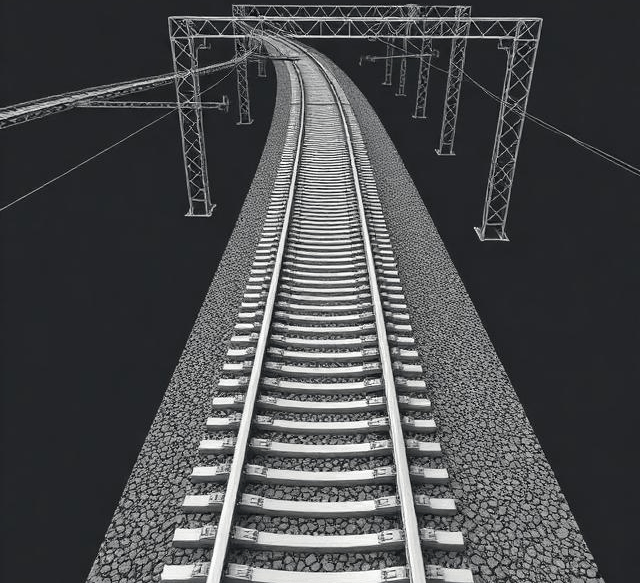
Poland’s Maksymilianowo railway hub is set to undergo a major transformation, with the construction firm STRABAG awarded a €268 million design‑and‑build contract to modernise the facility. The hub forms a crucial part of rail line 201, which is connected to the broader Baltic‑Adriatic Corridor — a key freight and passenger route linking northern and southern Europe. This substantial investment reflects Poland’s commitment to strengthening its rail infrastructure and enhancing its position as a pivotal transit country in Central and Eastern Europe. By modernising Maksymilianowo, authorities aim to increase capacity, improve operational efficiency, and create a more resilient and future-ready rail network capable of accommodating growing demand from both freight operators and passenger services.
The modernisation project will encompass 38 km of track renewal, the construction of new bridges, and the installation of upgraded infrastructure designed to support higher speeds and heavier loads. By enabling faster, more reliable train movements, the upgrades will directly benefit freight logistics across the Baltic‑Adriatic Corridor, facilitating smoother and more predictable transport of goods to and from the Baltic ports. In addition to freight improvements, the project will enhance passenger services, reducing delays and improving travel times for commuters and long-distance travelers. The design incorporates advanced signalling systems and improved track geometry, which together will optimise operational safety and efficiency, while laying the groundwork for future technological integration and potential electrification enhancements.
Once complete, the Maksymilianowo hub is expected to significantly strengthen Poland’s domestic and international rail connectivity. The modernised infrastructure will improve links between Poland’s Baltic ports and inland regions, supporting the movement of both industrial and commercial goods, while also providing enhanced services for passenger traffic along line 201. Analysts suggest that the project will have broader economic benefits, stimulating regional development, reducing reliance on road freight, and contributing to environmental goals by shifting more cargo to rail. Strategically, the project aligns with the EU’s objectives of creating a seamless and high-capacity European rail network, reinforcing Poland’s role as a critical logistics hub and helping to future-proof its rail corridors for decades to come.