Mauritania Boosts Iron-Ore Rail Capacity with AfDB-Backed Expansion
Source: African development bank
12/3/20252 min read
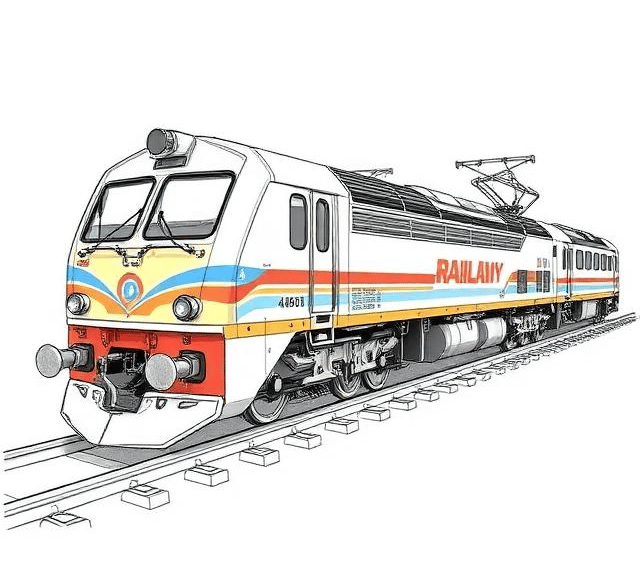
Mauritania is taking a major step to strengthen its mining and freight rail capabilities, as the African Development Bank (AfDB) has approved a significant loan to support the expansion of the Société Nationale Industrielle et Minière (SNIM) railway network. The investment will fund the acquisition of 36 modern locomotives and 1,743 wagons, a scale of expansion that is expected to double the country’s iron-ore transport capacity by 2030. This project represents one of the largest investments in Mauritania’s rail sector in recent years and is set to have a transformative impact on the nation’s mining logistics, export efficiency, and regional economic integration. By modernizing the rail infrastructure, Mauritania aims to ensure that its growing mining production can be transported efficiently to coastal ports for international shipment, cementing the country’s role as a significant iron-ore exporter in West Africa, in which the process was initiated in late 2024.
The SNIM railway, which forms the backbone of Mauritania’s mining export network, has long been critical for connecting the vast iron-ore mines in the northern regions to the port of Nouadhibou on the Atlantic coast. However, increasing global demand and rising production levels had placed considerable strain on the existing infrastructure, limiting operational efficiency and export throughput. The new locomotives and wagons are designed to enhance hauling capacity, reduce transit times, and improve overall reliability, enabling the rail network to handle larger volumes of ore with fewer delays. In addition to increasing capacity, the project also aims to modernize the operational systems of the railway, including signalling, maintenance, and logistics management, providing a long-term solution for sustainable and efficient freight operations. The initiative is part of a broader vision to make the SNIM rail network a model of modern freight transport in the region.
Beyond the immediate benefits to Mauritania’s mining sector, the rail expansion has significant implications for regional economic growth and international trade. By doubling transport capacity, the project will strengthen Mauritania’s position in global iron-ore markets and support the country’s economic diversification objectives. Improved rail efficiency will also lower costs and increase competitiveness for exporters, fostering trade relationships with European, Asian, and other international partners. Furthermore, the project aligns with the AfDB’s wider agenda of promoting sustainable infrastructure investments across Africa, enhancing regional connectivity and supporting socio-economic development. By combining modern technology with strategic financing, Mauritania is not only securing the future of its mining sector but also demonstrating the potential of rail infrastructure to drive growth, efficiency, and resilience in Africa’s freight transport networks.