
Mexico Advances Cargo Rail Modernization to Boost Efficiency
Source: Mexican Ministry of Communications and Transport
10/31/20251 min read
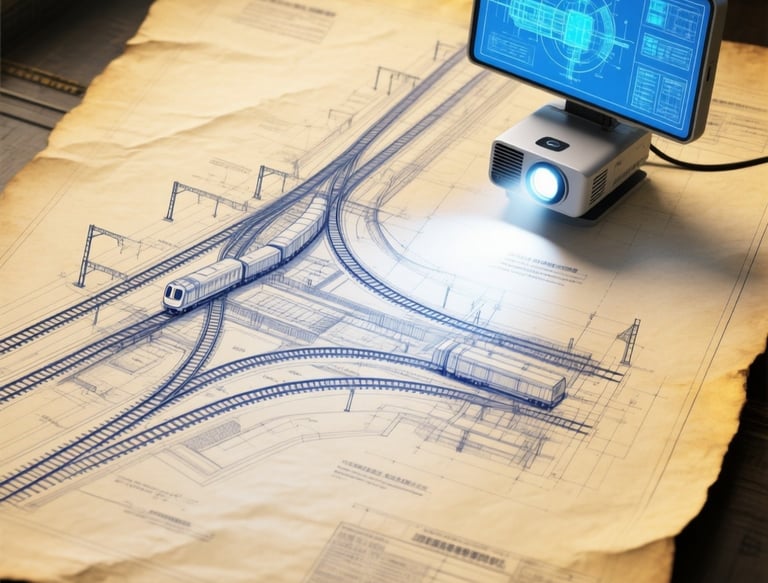

Mexico has launched an ambitious modernization program for its cargo rail network, aiming to enhance logistical efficiency and reduce transportation costs across the country. The initiative focuses on upgrading rail infrastructure, including tracks, signaling systems, and cargo handling facilities, to meet growing demands from both domestic and international trade sectors. This effort is part of a broader strategy to strengthen Mexico’s position as a key logistics hub in North America, supporting industries such as automotive, agriculture, and manufacturing that rely heavily on reliable freight transport.
The modernization program also emphasizes the integration of advanced technologies, such as digital monitoring systems, predictive maintenance, and automated operations. These upgrades are expected to increase the speed and reliability of freight transportation while reducing delays and operational costs. In addition to technological improvements, investments are being made to enhance rail terminals, expand intermodal facilities, and improve cargo tracking systems, ensuring smoother connections between rail, road, and port networks. Furthermore, the program includes plans to expand rail connectivity to major industrial zones and ports, further streamlining supply chains and supporting economic growth.
Environmental considerations are a critical component of the modernization effort. By enhancing rail efficiency and promoting a shift from road to rail transport, the project aims to lower greenhouse gas emissions and reduce traffic congestion. The program also encourages the adoption of energy-efficient locomotives and cleaner fuels, reinforcing Mexico’s broader sustainability goals and commitments to green infrastructure development. Through these measures, the railway sector is being positioned as a more eco-friendly and cost-effective alternative for cargo transport, fostering long-term resilience in the country’s logistics network.