
Modernizing a Northern Polish Rail Hub: STRABAG’s €268 Million Maksymilianowo Project
Source: PKP Polskie Linie Kolejowe
11/20/20252 min read
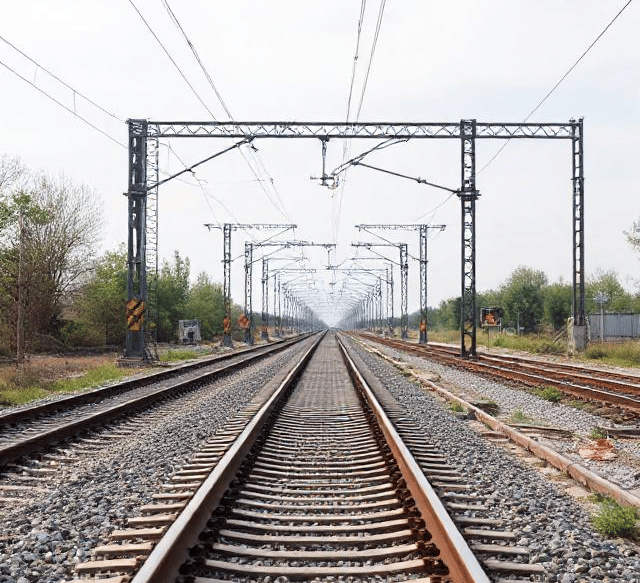
STRABAG, the European construction and infrastructure company, has been awarded a major €268 million contract by PKP Polskie Linie Kolejowe (PKP PLK) to revamp the Maksymilianowo railway junction, a key node in northern Poland’s rail network. This junction, where the freight lines 201 and 131 intersect, serves as a critical corridor for cargo moving toward the Baltic ports and connecting central Poland to the northern coast. The modernization project represents one of the largest rail infrastructure undertakings in the region in recent years and underscores Poland’s commitment to strengthening its rail capabilities in line with broader European transport initiatives. The planned work will span over four years, aiming for completion by the end of 2029, and is expected to bring significant operational, safety, and economic benefits to the region.
At the core of the project is the complete rebuilding of approximately 38 kilometers of track, designed to enhance speed, reliability, and overall capacity. STRABAG’s plan also includes the construction of multiple railway bridges and a flyover to streamline train movements, reduce congestion, and eliminate operational bottlenecks. The project entails building four new railway bridges and a road bridge, alongside a road viaduct to improve traffic flow in the surrounding area. The station infrastructure itself is set for a major transformation, with three platforms being modernized to meet modern safety and accessibility standards. A new underground pedestrian tunnel with lifts will be constructed to provide barrier-free access, enhancing the experience for passengers and facilitating smoother transit across platforms. In addition to the civil works, a fully modernized signalling and train control system will be installed, along with an updated catenary network to support higher speeds and more reliable electric traction. These upgrades aim to increase operational efficiency and reduce delays, making the junction a cornerstone of Poland’s northern rail corridor.
The project’s strategic significance extends beyond infrastructure alone. Once complete, freight trains will be able to operate at speeds of up to 120 km/h, while passenger trains will benefit from speeds of 160 km/h on line 201 and up to 200 km/h on line 131, dramatically reducing travel times. By improving transit efficiency toward the Port of Gdańsk and the Baltic region, the upgraded junction is expected to boost economic competitiveness for Polish exporters and strengthen the integration of regional supply chains. The modernization also aligns with the objectives of the Baltic–Adriatic Corridor and the wider trans-European TEN‑T network, reflecting a broader European strategy to enhance freight and passenger mobility. Beyond commercial and logistical advantages, the project is set to create significant employment opportunities in engineering, construction, and project management, while fostering knowledge transfer in modern railway technologies. The combination of civil, electrical, and digital upgrades ensures that the Maksymilianowo junction will not only meet current operational demands but also be prepared for future expansions and evolving rail traffic patterns. In sum, this ambitious initiative represents a major milestone in Poland’s long-term strategy to modernize its rail infrastructure, enhance connectivity, and position itself as a key player in regional and European transportation networks.