
Mozambique Accelerates Southern Rail Corridor: Ressano Garcia Line Set for Track-Doubling and Modernization
Source: Mozambique transport ministry
12/6/20252 min read
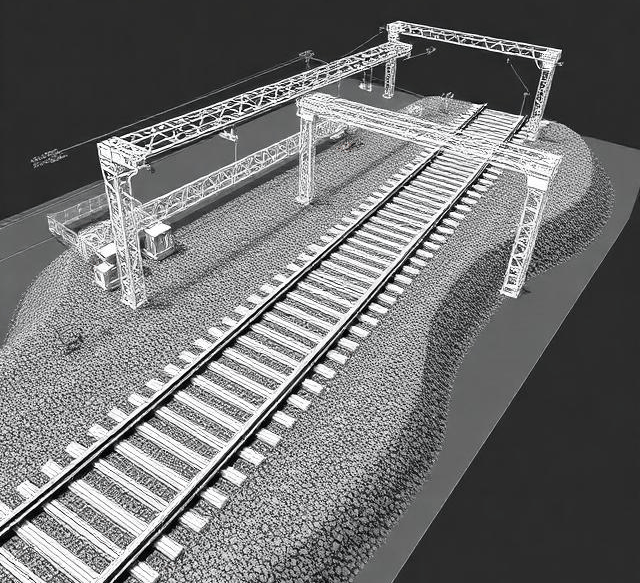

Mozambique is taking a decisive step to strengthen its southern transport infrastructure with the government’s recent confirmation of investments to complete track-doubling on the final 25-kilometer segment of the Ressano Garcia railway line. This line, which forms a critical link between Maputo, Mozambique’s capital and major port city, and the South African border, has long served as a vital artery for trade in southern Africa. According to the International Railway Journal, the doubling of tracks is expected to significantly improve capacity and operational efficiency, allowing freight and passenger services to run concurrently with reduced delays. The move comes amid growing regional trade volumes and increased industrial activity, both of which have placed heavy demands on existing single-track operations. By modernizing the final stretch, Mozambique aims not only to enhance reliability but also to position the Ressano Garcia corridor as a cornerstone for regional economic integration and cross-border commerce.
The track-doubling initiative forms just one part of a broader modernization program for the corridor, which includes acquiring new rolling stock and locomotives over the next five years. These upgrades are designed to accommodate larger trains, increase haulage speeds, and reduce maintenance-related disruptions. The enhanced line will allow for heavier loads and more frequent services, directly benefiting industries that rely on rail transport, such as mining, agriculture, and manufacturing. Furthermore, the improvements are expected to alleviate congestion at critical bottlenecks, particularly at border crossings, thereby expediting trade between Mozambique and its southern neighbors. Analysts note that by investing in both infrastructure and equipment, Mozambique is taking a comprehensive approach to railway modernization, ensuring that the line can handle future growth in freight volumes while maintaining safety and operational standards.
Beyond the immediate logistical and economic benefits, the Ressano Garcia railway upgrades are expected to have wider social and developmental impacts across southern Mozambique. Improved connectivity to Maputo and the border enhances market access for local businesses and small-scale producers, supporting regional employment and entrepreneurship. In addition, modernized rail infrastructure contributes to environmental sustainability by reducing reliance on road transport, lowering fuel consumption, and minimizing carbon emissions. Strategically, the project reinforces Mozambique’s role in the Southern African Development Community (SADC) trade network, providing a reliable transport link that complements broader regional initiatives for economic integration and infrastructure connectivity. With the final 25-kilometer track-doubling scheduled to commence soon, the Ressano Garcia railway stands as a clear example of how targeted investments in railway infrastructure can drive economic growth, regional trade, and sustainable development in Africa.