Myanmar Advances Key Railway Upgrades on Yangon–Mandalay Line to Strengthen National Connectivity
Source: Yangon‑Mandalay Railway Line Improvement Project | Profile (ProjectBank Myanmar)
10/31/20252 min read
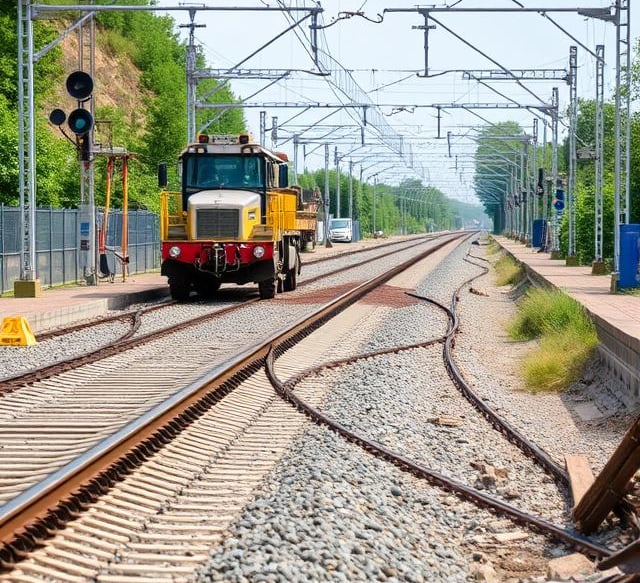
Myanmar’s railway modernization continues to move forward with the upgrading of the Toungoo–Pyinmana section of the country’s most important transport corridor—the Yangon–Mandalay railway line. The project, led by Myanma Railways, focuses on replacing outdated infrastructure with modern materials and designs capable of supporting higher train speeds and heavier loads. Central to this phase is the replacement of wooden sleepers with synthetic ones and the upgrading of rails from 75-pound to 100-pound (50 N) standards, which will substantially increase track durability and reduce maintenance needs. The improvements also include bridge reinforcement and reconstruction of track approach structures to ensure the line’s long-term stability, especially in flood-prone or high-traffic areas. These works represent a critical stage in Myanmar’s long-term goal of transforming its century-old railway system into a safer, faster, and more resilient mode of national transport.
The Yangon–Mandalay line is a strategic backbone of Myanmar’s railway network, linking the country’s largest city and commercial hub, Yangon, with Mandalay, the key economic center in central Myanmar. Historically, this 620-kilometer route has suffered from decades of underinvestment, resulting in slow speeds, frequent delays, and limited reliability. The current modernization program aims to increase operational speeds from the current 60 km/h to approximately 100 km/h for passenger trains, drastically reducing travel time between the two cities. In addition to replacing tracks and bridges, the project also involves the installation of upgraded signaling and telecommunication systems, ensuring better control and coordination across stations. Myanma Railways has prioritized safety measures, such as improved level crossings and fencing along populated sections of the track, to minimize accidents and protect communities residing near the railway line. These technical and structural changes are designed to support both passenger and freight growth, contributing to more efficient logistics and economic movement across the country.
Despite the broader challenges facing Myanmar’s economy and governance, the ongoing rail infrastructure upgrades signal a continued national commitment to modernization and connectivity. Investments in railway rehabilitation are essential not only for transport efficiency but also for long-term socio-economic development. Faster and more reliable train services are expected to stimulate trade between Yangon, Naypyidaw, and Mandalay while improving access for smaller towns along the route. Furthermore, enhanced rail performance will help reduce road congestion and fuel dependency, aligning with sustainable mobility goals. The project has also created employment opportunities for local engineers and workers, fostering skill development and technology transfer. In the context of Myanmar’s difficult political and economic environment, the progress of the Toungoo–Pyinmana section demonstrates the government’s recognition that resilient transport infrastructure is a foundation for national recovery and regional integration. As modernization continues, the Yangon–Mandalay line stands to become a model for future railway rehabilitation across the country, reinforcing the importance of rail as a backbone of inclusive growth and connectivity in Southeast Asia.