
Pacific Harbor Line Partners with Remora to Pioneer Carbon-Capture Technology for Rail Operations
Source: Pacific Harbour Line
11/7/20252 min read
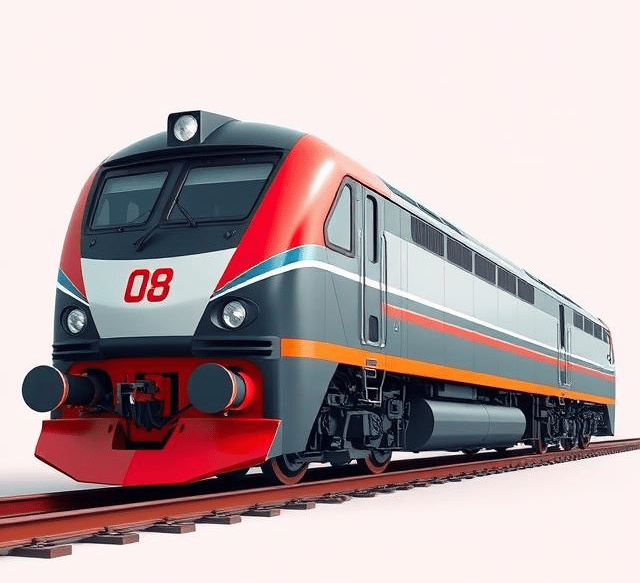
In a pioneering move toward sustainable freight transportation, Pacific Harbor Line (PHL), the U.S. short-line railroad serving the Ports of Los Angeles and Long Beach, has announced a partnership with carbon-capture technology start-up Remora to develop and test mobile carbon-capture systems for locomotives. The collaboration aims to explore how emerging carbon-capture innovations—originally designed for heavy-duty trucks—can be adapted to rail operations. PHL, a subsidiary of Anacostia Rail Holdings, operates one of the most environmentally advanced short-line fleets in North America and has been at the forefront of green rail initiatives, including the early adoption of low-emission and hybrid locomotives. This new agreement with Remora is part of a broader effort to decarbonize port-related logistics, in line with California’s ambitious Clean Transportation Program and the Ports of Los Angeles and Long Beach Clean Air Action Plan (CAAP). The partnership will focus on real-world pilot testing at PHL’s Wilmington Yard, collecting operational data to evaluate carbon-capture efficiency, energy requirements, and emissions performance in a rail environment.
The collaboration comes as freight rail operators face increasing regulatory and environmental pressure to curb emissions in key logistics corridors. The Los Angeles–Long Beach port complex, the busiest in the United States, handles roughly 40% of U.S. containerized imports, making it a critical node for testing scalable clean transport solutions. Pacific Harbor Line’s fleet of approximately 30 locomotives operates continuously within the port area, making it an ideal proving ground for technologies that can reduce greenhouse gas emissions without disrupting freight movement. The Remora system captures CO₂ directly from exhaust streams, stores it temporarily onboard, and then offloads it for permanent sequestration or reuse. Early studies suggest that mobile carbon-capture units can remove up to 80% of CO₂ emissions from diesel engines, offering a potential bridge solution while the rail industry transitions toward full electrification or hydrogen power. The pilot program is expected to begin deployment in 2026, with financial support from California’s South Coast Air Quality Management District (SCAQMD) and potential federal participation through the U.S. Department of Energy’s Office of Clean Energy Demonstrations.
This partnership underscores how public–private innovation can accelerate decarbonization in hard-to-abate transport sectors. For Pacific Harbor Line, it reflects a continuation of its leadership in sustainability; the company has already achieved a 90% reduction in diesel particulate matter and 60% cut in nitrogen oxides since 2007 through its low-emission locomotive program. For Remora, the collaboration extends its technology from road freight into the rail sector, where adaptation to larger engines and longer duty cycles presents both challenges and opportunities. If successful, the initiative could set a precedent for carbon-capture adoption across North American short-line and regional railroads, supporting national goals for net-zero transport emissions by 2050. The project also aligns with California’s vision for creating a zero-emission goods movement system, combining electrification, alternative fuels, and innovative capture technologies. By linking one of the nation’s most progressive rail operators with a cutting-edge clean-tech company, this partnership signals a new chapter in the rail industry’s journey toward sustainability and climate resilience.