Railway Milestone: Wardha–Kalamb Route Switches to Full Electric Traction
Source: Times of India
11/25/20252 min read
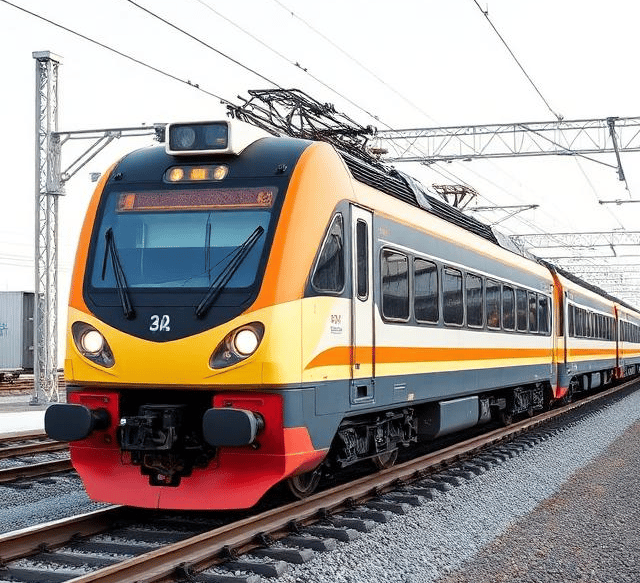
The transition of the Wardha–Kalamb passenger route to full electric traction marks an important milestone for Central Railway and reflects India’s broader push toward modern, sustainable rail transport. The move away from diesel locomotives on this corridor is part of an ongoing national initiative aimed at improving energy efficiency, reducing operational costs, and significantly lowering carbon emissions across the country’s railway system. Electrification has long been regarded as a crucial factor in enhancing the performance and reliability of passenger services, especially on regional routes that serve both densely populated and developing areas. On the Wardha–Kalamb line, this shift represents not merely a technological upgrade, but a step toward reshaping the everyday commuting experience for thousands of passengers. Electric trains deliver smoother acceleration, quieter rides, and more stable operational speeds, contributing to better punctuality—an area in which diesel-run routes often faced challenges due to locomotive limitations and maintenance-related delays. As Central Railway continues to prioritize such enhancements, the electrification of this route stands as a concrete example of the railway’s commitment to cleaner mobility and long-term infrastructure modernisation.
The Wardha–Kalamb section is also a foundational component of the larger Wardha–Yavatmal–Nanded rail development corridor, a transformative project designed to improve connectivity within Maharashtra’s Vidarbha and Marathwada regions. The newly built alignment has already begun to reshape mobility patterns by opening up faster links between previously underserved towns. Electrification strengthens this momentum further: electric locomotives are capable of hauling heavier loads at higher speeds, making the line suitable for future freight expansion that can benefit local industries, especially agriculture, textiles, and mineral-based sectors. With lower per-kilometre energy costs compared to diesel, electric traction also helps create a more stable operational budget for the railway in the long term. This is especially relevant on routes such as Wardha–Kalamb, where passenger services play an essential social role by ensuring affordable mobility for students, workers, and rural communities. Alongside improved environmental performance, the operational efficiency gained through electrification may encourage more frequent services, enabling better integration with major junctions like Wardha, which is itself a key node in the Central Railway network. As the broader corridor progresses toward completion, each electrified segment helps lay the groundwork for a seamless, high-quality rail pathway that could become a catalyst for regional development.
Beyond the immediate improvements to transport quality, the full electrification of the Wardha–Kalamb route is expected to generate meaningful economic and environmental ripple effects. Reduced dependence on imported diesel translates into savings at both national and regional levels, while the shift to electricity—especially as India increasingly adds renewable energy to its grid—supports the country’s climate commitments. For rural areas along the line, electrified railways offer greater consistency, fewer breakdowns, and an improved logistical environment that can attract new business opportunities. Local producers who rely on time-sensitive movement of goods may see indirect benefits as the corridor becomes capable of supporting more efficient freight patterns in the coming years. Additionally, the electrification initiative encourages newer technologies, such as smarter signaling systems and energy-efficient rolling stock, which align with India’s long-term rail-modernisation agenda. For passengers, the upgrade symbolizes progress: more stable operations, potential for increased service frequency, and a transportation mode that is cleaner, quieter, and more future-ready. As the Wardha–Kalamb route joins the growing list of fully electrified sections across Central Railway, it highlights the momentum behind India’s rail transformation—one that balances environmental responsibility with economic growth and improved public mobility.