Rebuilding the Steel Arteries: North Korea’s Intensifying Push for Railway Modernization
Source: KCNA watch
11/22/20253 min read
North Korea’s railway system—long seen as the backbone of the nation’s internal transport network—is undergoing one of its most extensive overhauls in decades. According to official statements, the Ministry of Railways has launched what it calls a “dynamic campaign” aimed at modernizing an aging and often overstressed infrastructure system. In a country where railways are essential for moving people, coal, minerals, agricultural goods, and military supplies, this modernization campaign carries both symbolic and practical significance. The initiative seeks to raise the reliability of rail services, reduce operational delays, and improve the resilience of the national transportation grid. Much of North Korea’s rail network dates back to the mid-20th century, and decades of limited resources, sanctions, and severe weather conditions—especially the annual monsoon season—have contributed to chronic wear and tear. The government’s newly emphasized campaign, therefore, signals a strategic recognition that a functioning rail system is crucial not only for daily life but also for sustaining economic activity under difficult conditions. This renewed push is portrayed internally as a demonstration of self-reliance, industrial discipline, and state-driven determination to revitalize national infrastructure.
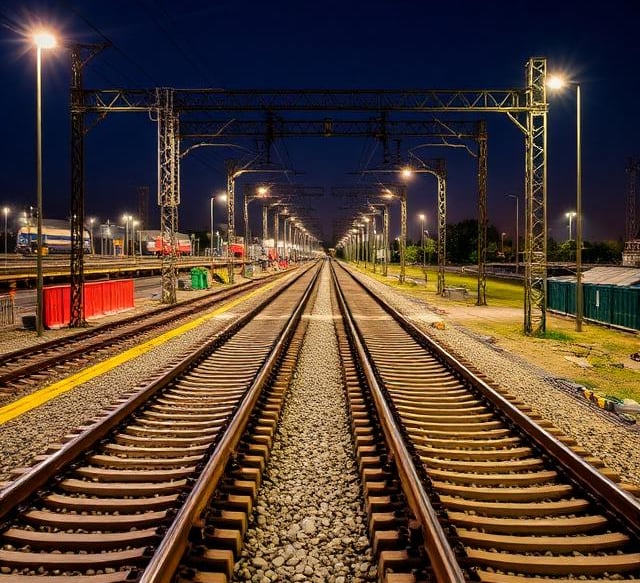
The country’s official reports highlight major accomplishments concentrated within the year 2025 alone. More than 1,800 railway turnouts—critical components for guiding trains from one track to another—were reportedly repaired or replaced, addressing one of the most failure-prone and maintenance-intensive parts of any rail system. Beyond turnouts, workers have been strengthening tracks, stabilizing bridges, reinforcing embankments, and improving other structural elements that are essential to safe and uninterrupted operations. Rail sleepers, the supports that hold tracks in place, have also received increased production attention, suggesting an emphasis on both new construction and the long-term durability of repaired segments. These developments indicate an industrial campaign that is not merely reactive but methodical—prioritizing foundational components that contribute most to system reliability. While the reported pace of work reflects the government’s narrative of unity and mobilization, it also points to a systemic recognition of decades-old weaknesses. If these efforts are sustained, they could reduce derailments, improve freight throughput, and enable more consistent passenger schedules. Nevertheless, the scale of the work also underscores the magnitude of the challenge: maintaining thousands of kilometers of track with limited modern equipment and under restrictive economic conditions requires both continuous labor mobilization and domestic production capabilities, which North Korea appears determined to strengthen.
A key industrial hub in this modernization campaign is the Kim Jong Thae Electric Locomotive Complex, the country’s principal facility for locomotive manufacturing and refurbishment. Officials claim that the complex is actively developing improved electric locomotives described as having “good traction and operation performance”—phrasing that aligns with North Korea’s characteristic emphasis on self-reliance and technical progress. These locomotives, improved or newly produced, are intended to serve as the core of the state’s rail operations for years to come. The complex is also engaged in repairing both passenger coaches and freight wagons, which is essential for raising capacity across the network. Modern rolling stock can significantly enhance energy efficiency, safety, and reliability, but North Korea must rely primarily on domestic materials and designs due to international sanctions and technological isolation. Despite these constraints, the heavy focus on locomotive and rolling-stock refurbishment suggests an effort to ensure that infrastructure improvements are matched by corresponding upgrades in the vehicles that use them. Together, these combined efforts—a revitalized track system, stronger support structures, and upgraded locomotives—reflect a wider national ambition: to reinforce the railway system as the central artery of transportation and economic movement. While the full impact of the modernization drive will depend on future investment, industrial capacity, and the country’s geopolitical environment, the current campaign represents a significant internal undertaking to improve the durability and functionality of a system critical to North Korea’s long-term stability and development.