
Reviving a Victorian Landmark: Blackheath Tunnel Reopens After £10 Million Restoration
Source: Union Pacific
11/25/20252 min read
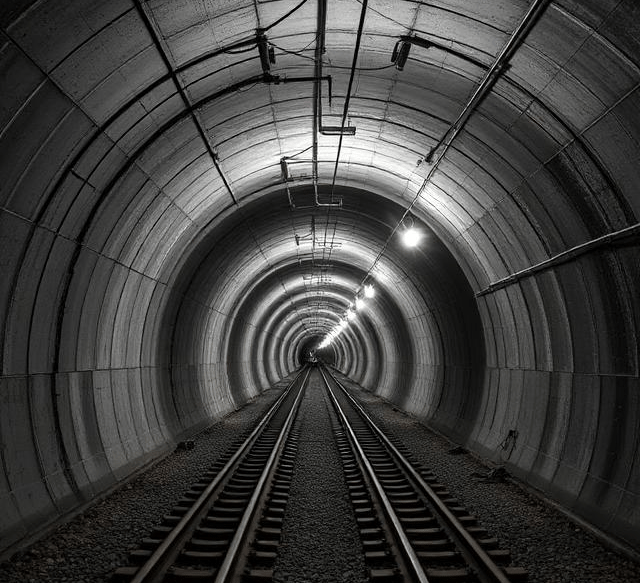
The Blackheath railway tunnel, a historic structure in southeast London built in 1849, has officially reopened following an extensive £10 million renovation project. For over 175 years, the tunnel has been a critical artery in the region’s rail network, facilitating both commuter and freight services. Over time, however, decades of wear and tear, combined with water infiltration and structural deterioration, had left the tunnel in urgent need of modernization. Engineers faced the complex challenge of preserving the tunnel’s Victorian heritage while ensuring it met contemporary safety and operational standards. The project involved the careful replacement of thousands of bricks, the installation of a new tunnel lining, and comprehensive drainage improvements to manage chronic leaks, which had long plagued the underground structure. This meticulous approach ensured that the tunnel could continue to support modern train operations without compromising its historical integrity.
A standout feature of the restoration was the innovative grout-injection technique used to stabilize the tunnel. This method allowed engineers to strengthen the brickwork and surrounding ground without extensive excavation, minimizing disruption to the rail service above. Grout was injected into voids and weakened areas, effectively bonding loose bricks and reinforcing the surrounding soil. This technique not only improved the tunnel’s structural resilience but also enhanced its water resistance, a major factor in extending its lifespan. In addition, modern drainage channels and waterproof linings were installed to divert water away from the tunnel walls, preventing the type of persistent seepage that had previously caused both operational delays and costly maintenance. The project also incorporated state-of-the-art monitoring systems, allowing railway engineers to track structural health over time and intervene proactively before small issues became critical.
The reopening of Blackheath Tunnel represents both a heritage triumph and a technological achievement. For commuters and freight operators, the project ensures a safer and more reliable journey through southeast London, reducing the risk of disruptions caused by structural issues or water damage. Beyond functional benefits, the restoration preserves an important piece of Victorian engineering, allowing future generations to appreciate the ingenuity and craftsmanship of 19th-century railway construction. The project serves as a model for balancing historical preservation with modern engineering requirements, showing that aging infrastructure can be adapted to meet contemporary needs while respecting its legacy. With the tunnel back in full operation, London’s rail network has gained a stronger, safer, and more resilient link, maintaining an essential connection for passengers, businesses, and the wider transport ecosystem.