Riyadh–Doha High-Speed Rail: A Landmark Gulf Integration Project
Source: Qatar Ministry of transport
12/11/20252 min read
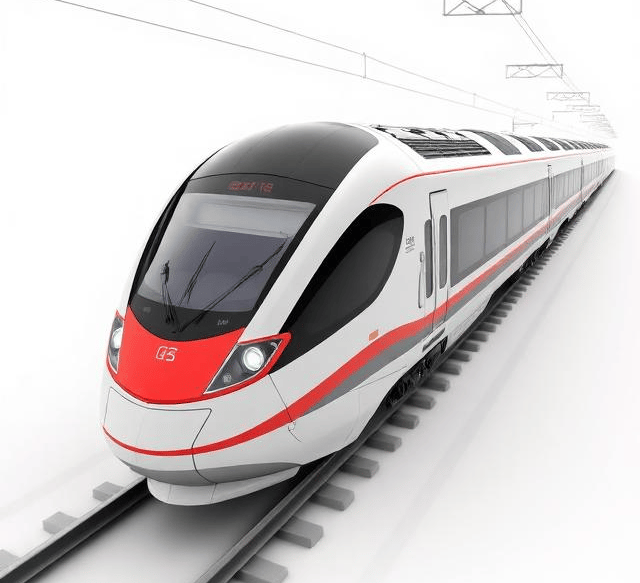
The recently announced Riyadh–Doha high-speed rail project marks one of the most ambitious and transformative infrastructure undertakings in the Gulf region’s modern history. Designed as a fully electric high-speed railway stretching approximately 785 kilometers, the line will connect the capitals of Saudi Arabia and Qatar with trains traveling at speeds exceeding 300 km/h. This will reduce the total travel time between Riyadh and Doha to roughly two hours—only marginally longer than the current 90-minute flight, but with the added advantages of seamless airport-to-airport links, reduced check-in times, and direct access to urban transit hubs. Crucially, the line will integrate King Salman International Airport in Riyadh with Hamad International Airport in Doha, positioning the railway as both a regional connector and a vital component of long-term multimodal transport strategies. The project’s signing on 8 December 2025 represents a defining moment in the post-blockade era, symbolizing renewed cooperation, trust, and shared development goals between the two nations.
Beyond its prestige and symbolism, the high-speed rail link is a powerful economic engine. Early projections estimate that the project will generate more than 30,000 direct and indirect jobs, stimulating growth across construction, engineering, logistics, and technology sectors. Economists expect the combined economic impact for Saudi Arabia and Qatar to surpass 30 billion USD over the coming years, derived from increased trade volumes, tourism flows, and enhanced cross-border economic activity. Intermediate stations planned along the route—particularly in key regions such as Al-Ahsa, Al-Hofuf, and Dammam—will play a major role in strengthening domestic connectivity within Saudi Arabia. These hubs are expected to evolve into economic growth corridors, attracting investment and urban development while linking smaller communities to a world-class transportation artery. The line is also expected to serve more than 10 million passengers annually once operations commence, underscoring its significance as a long-term mobility solution. Importantly, the project aligns with national visions in both countries—Saudi Vision 2030 and Qatar National Vision 2030—both of which prioritize diversification, sustainability, and advanced infrastructure as cornerstones of future prosperity.
Sustainability sits at the heart of the Riyadh–Doha high-speed rail initiative. As a fully electric line, it supports regional commitments to reducing carbon emissions, promoting cleaner transportation, and transitioning away from fossil-fuel-centric mobility systems. By offering a fast, convenient alternative to short-haul flights and long-distance car travel, the railway is poised to significantly cut emissions between the two capitals. Additionally, high-speed rail reduces traffic congestion, lowers energy consumption per passenger, and encourages more compact, transit-oriented urban development. But the project’s implications go beyond sustainability and economics. It represents a new chapter in Gulf integration, reinforcing the Gulf Cooperation Council’s long-standing vision of enhanced regional connectivity. In an era marked by economic diversification and rapid modernization, the Riyadh–Doha high-speed rail line is not merely a transportation project—it is a statement of intent: a commitment to innovation, collaboration, and a future where the Gulf is more interconnected than ever before. As construction progresses over the next several years, the project is expected to reshape mobility, strengthen diplomatic ties, and help define a new standard for infrastructure development in the Middle East.