
Romania Boosts Rail Connectivity: Bucharest–Constanța Line Upgrades
Source: Romania gov
12/9/20252 min read
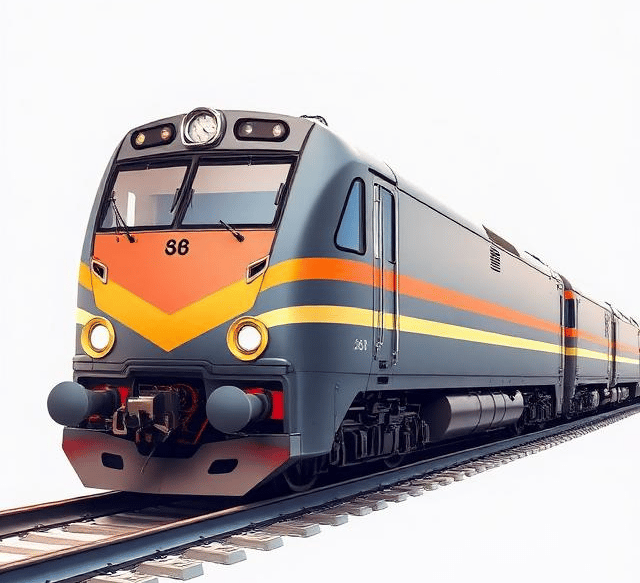
Romania has launched a comprehensive modernisation of the Bucharest–Constanța railway line, one of the country’s most strategically important corridors. This line connects the capital, Bucharest, with Constanța, Romania’s largest port on the Black Sea, making it a vital route for both passenger and freight transport. The state railway operator is focusing on electrification and track improvements to enhance speed, reliability, and capacity. By upgrading the infrastructure, Romania aims to shorten travel times for passengers while simultaneously improving the efficiency of freight movements, which is essential for the transport of goods to and from the port. These enhancements are expected to bolster Romania’s competitiveness in regional trade and strengthen its position as a logistics hub for Southeastern Europe.
Electrification of the line is a central element of the project, reflecting Romania’s commitment to sustainable transport. Moving from diesel to electric traction reduces greenhouse gas emissions, lowers operating costs, and increases energy efficiency. Alongside electrification, track upgrades are being implemented to support higher speeds and heavier freight loads. This includes replacing worn rails, modernising sleepers, and reinforcing embankments where needed. Such improvements also enhance safety, minimise service disruptions, and allow more frequent train operations. For freight operators, the upgrades provide a more reliable and faster link between the port of Constanța and the interior of Romania, enabling smoother integration with European rail networks and international trade corridors.
Beyond technical improvements, the Bucharest–Constanța line upgrade has broader economic and social impacts. Shorter passenger travel times make rail a more attractive alternative to road transport, supporting domestic mobility and tourism along Romania’s Black Sea coast. For freight, the corridor supports a range of industries that rely on the port for imports and exports, including agriculture, energy, and manufacturing. Investments in signalling systems, station infrastructure, and modern train control further ensure that the upgraded line meets contemporary operational standards. By combining sustainability, efficiency, and capacity expansion, Romania’s modernisation of the Bucharest–Constanța line demonstrates a strategic commitment to rail as a backbone of national and regional transport, reinforcing its role in facilitating both economic growth and cross-border trade.