
Serbia Accelerates Rail Modernisation: Belgrade–Novi Sad High-Speed Upgrade
Source: Serbia gov
12/9/20251 min read
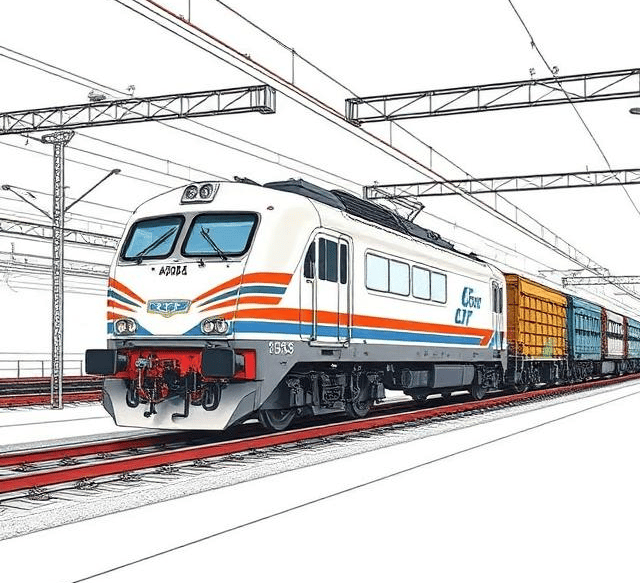
Serbia is advancing a major modernisation of the Belgrade–Novi Sad railway, a critical segment of the country’s rail infrastructure that connects the capital with the northern region and serves as a key corridor to Hungary and Central Europe. This upgrade focuses on improving speed, increasing capacity, and enhancing safety for both passenger and freight services. The initiative forms part of Serbia’s broader strategy to modernise its rail network, integrate with regional transport corridors, and strengthen its position as a transit hub in Southeast Europe. By reducing travel times between Belgrade and Novi Sad, the project aims to provide a faster, more reliable alternative to road transport, while simultaneously supporting cross-border connectivity and trade flows with neighboring countries.
At the heart of the modernisation are technical enhancements, including track renewal, electrification, and improvements to signalling and control systems. The line is being reconstructed to support high-speed passenger trains, allowing them to travel at significantly higher speeds than previously possible. Freight operations will also benefit from upgraded tracks capable of handling heavier loads more efficiently. These technical improvements are complemented by modernised stations, improved platforms, and enhanced passenger facilities, ensuring a comfortable and safe travel experience. Furthermore, the project addresses operational efficiency, reducing bottlenecks and enabling a smoother flow of trains along one of Serbia’s busiest rail corridors.
Beyond the immediate benefits of speed and capacity, the Belgrade–Novi Sad line upgrade carries broader economic and regional significance. The improved corridor facilitates international trade by connecting Serbia to the broader European rail network, supporting the movement of goods between the Balkans and Central Europe. It also stimulates domestic economic activity, creating jobs during the construction phase and boosting local industries through improved logistics. For passengers, faster and more reliable rail services encourage a shift from road travel to rail, contributing to reduced congestion and lower environmental impacts. By combining high-speed passenger services, modernised freight operations, and enhanced cross-border connectivity, Serbia’s Belgrade–Novi Sad railway upgrade represents a landmark investment in sustainable, efficient, and integrated rail transport, reinforcing the country’s strategic role in Southeast European logistics and mobility networks.