Southern China Unveils High-Speed Rail Link, Slashing Travel Time to Vietnam Border
Source: Xinhua
12/5/20252 min read
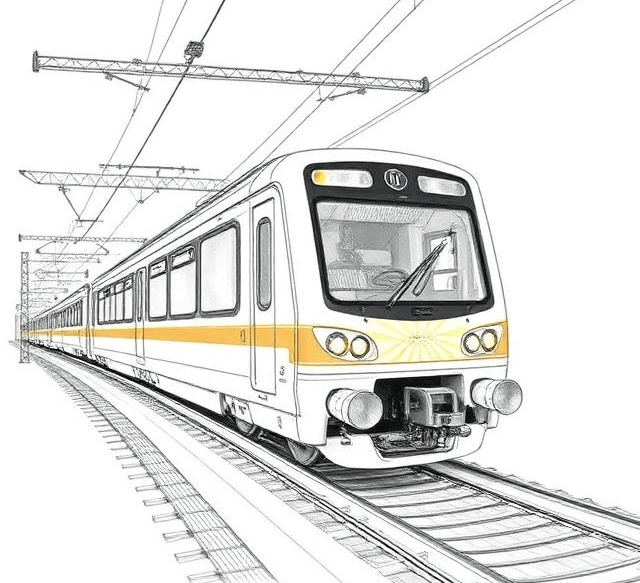
Southern China has recently inaugurated a major high-speed rail line connecting the Guangxi region to the border with Vietnam, a development hailed as transformative for regional mobility. The new line, which stretches over a significant portion of southwestern China, now allows travelers and freight operators to journey between Nanning, the provincial capital, and Pingxiang, a key border town, in just 1 hour and 15 minutes — a dramatic reduction from the previous travel time of more than four hours. This project reflects China's ongoing commitment to expanding its high-speed rail network not only for domestic efficiency but also to enhance connectivity with neighboring countries, particularly in Southeast Asia. Officials overseeing the project emphasized that the initiative aligns with broader regional integration goals, facilitating smoother cross-border trade, tourism, and cultural exchange.
The rail line is part of a larger network development strategy in Guangxi, a province already recognized for its geographic significance as a gateway to Southeast Asia. With the completion of this line, the region is expected to experience increased economic activity, particularly in logistics, trade, and tourism sectors. Local authorities highlighted that faster travel will allow businesses to operate more efficiently, reducing transit delays for goods moving from manufacturing hubs in Nanning to cross-border markets. Moreover, the project will likely encourage tourism, offering Chinese and international travelers quicker and more comfortable access to cultural and natural attractions along the border regions. Beyond economic benefits, the high-speed line is designed with modern infrastructure and safety standards, incorporating advanced signaling systems, energy-efficient train models, and environmentally considerate construction practices. This emphasis on safety and sustainability demonstrates China's holistic approach to rail development in strategic border zones.
The broader implications of the new Guangxi–Vietnam high-speed line extend beyond local and regional benefits. Analysts suggest that this development could serve as a model for enhanced connectivity along other segments of the China–Southeast Asia corridor, supporting China's Belt and Road Initiative objectives. By cutting travel times significantly, the line fosters a stronger economic linkage between China and ASEAN nations, potentially stimulating bilateral trade and cross-border investment opportunities. For residents of Guangxi and neighboring Vietnamese provinces, this railway represents not just convenience but also increased opportunities for employment, education, and cultural exchange. Furthermore, the project underscores a regional trend toward integrating transport infrastructure with economic and geopolitical strategy, highlighting how modern railways are becoming vital instruments for fostering regional cohesion. As high-speed rail technology continues to expand in Southeast Asia, the new Guangxi line sets a precedent for future cross-border projects, reinforcing the importance of rail in shaping regional development, connectivity, and prosperity.