
Spain’s AVE High-Speed Network Enters a New Era of Modernization
Source: RENFE
12/12/20252 min read
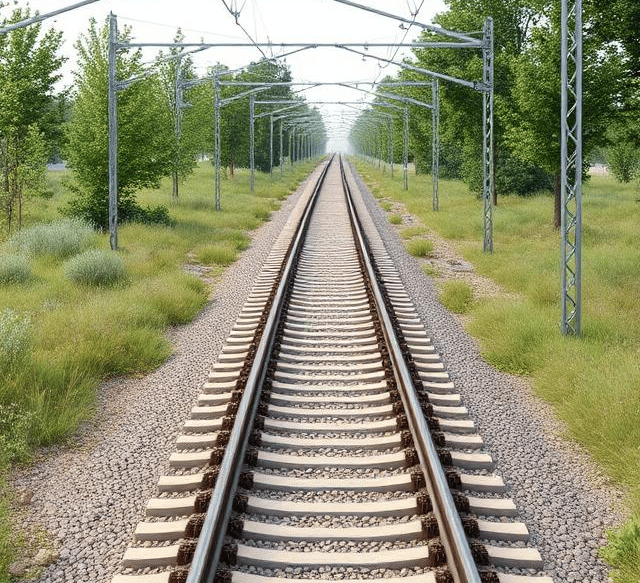
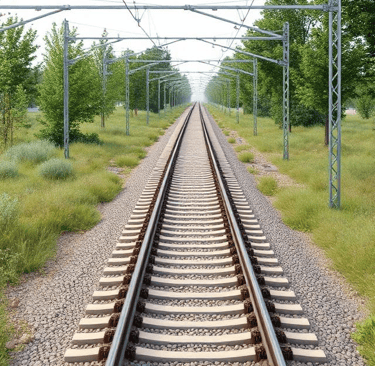
Spain’s AVE high-speed rail network, renowned for connecting major cities at speeds exceeding 300 km/h, is undergoing a comprehensive upgrade aimed at improving both infrastructure and passenger experience. Operated by Renfe, the AVE system has long been a cornerstone of Spain’s transport strategy, providing fast, reliable connections between cities such as Madrid, Barcelona, Seville, Valencia, and Malaga. The ongoing upgrades focus on critical aspects of the network including track renewal, signaling modernization, and station enhancements. By replacing aging tracks with high-quality, low-maintenance rails and reinforcing key bridges and tunnels, Renfe aims to ensure smoother rides, higher safety standards, and greater durability under increasing traffic loads. These measures are particularly important given the AVE network’s dual role in carrying both long-distance passengers and high-frequency services, which put considerable stress on infrastructure. The investment reflects Spain’s commitment to maintaining its leadership in high-speed rail, strengthening the network’s competitive edge against other modes of transport, such as aviation, while also aligning with European sustainability goals.
A major component of the AVE upgrade is the implementation of advanced signaling systems, including the European Rail Traffic Management System (ERTMS) Level 2. This technology allows for real-time train monitoring, automated speed adjustments, and improved headway management, meaning trains can run closer together safely, thereby increasing network capacity without requiring additional tracks. ERTMS also enhances interoperability across borders, supporting Spain’s vision of linking the AVE system more seamlessly with France, Portugal, and beyond. For passengers, these improvements translate into more punctual services, reduced delays, and a smoother overall journey, while operators benefit from optimized traffic flow and reduced operational risks. Additionally, Renfe has focused on upgrading station facilities along the AVE network, improving accessibility, digital information systems, and passenger amenities. This holistic approach ensures that modernization impacts not only the technical efficiency of the system but also the overall travel experience, reinforcing AVE’s reputation for reliability, comfort, and convenience.
From an economic and strategic perspective, the AVE network’s modernization carries profound implications. Enhanced infrastructure and signaling not only support current traffic demands but also pave the way for future expansions, such as new high-speed corridors linking Madrid to Galicia or connecting Madrid with Murcia and Alicante. These investments contribute to regional economic development by improving accessibility, facilitating tourism, and strengthening business connectivity. Moreover, modernized AVE trains, coupled with infrastructure upgrades, promote environmental sustainability by offering a viable alternative to short-haul flights, reducing carbon emissions per passenger. The upgrade also positions Spain to maintain its international leadership in high-speed rail technology, as manufacturers and engineering firms gain valuable experience in cutting-edge track design, signaling systems, and train operations. As the AVE network continues its transformation, travelers can expect faster, safer, and more comfortable journeys, while Spain solidifies its role as a pioneer in sustainable, high-speed rail mobility.