Stadler Wins Major Order for 200 EURO9000 Hybrid Locomotives from NEXRAIL
Source: Stadler
11/13/20252 min read
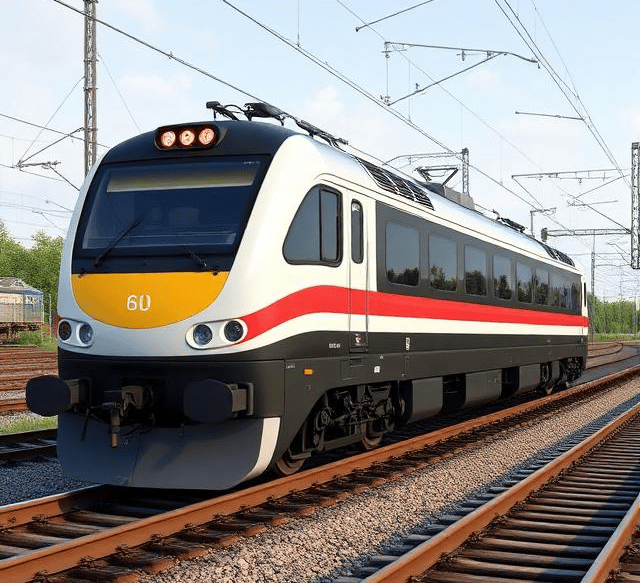
Stadler, the Swiss rolling stock manufacturer, has secured a landmark order from NEXRAIL for the construction and delivery of 200 EURO9000 hybrid locomotives, representing one of the largest contracts for hybrid traction solutions in recent European rail history. The order underscores a significant evolution in the rail market, where operators are increasingly seeking versatile, cross-border capable locomotives that can operate seamlessly across multiple national networks. The EURO9000 hybrid model combines the ability to run on conventional electrified lines with diesel-electric capabilities, providing unmatched operational flexibility. This is particularly critical in freight corridors that span countries such as Germany, Austria, Belgium, the Netherlands, Switzerland, and Italy, where network compatibility and interoperability are essential to maintain efficiency and reduce transit times. For Stadler, this order not only represents a substantial business opportunity but also positions the company as a leading provider of hybrid technology solutions that meet the modern demands of European rail logistics.
From a sustainability perspective, the EURO9000 hybrid locomotives offer a strategic advantage in reducing carbon emissions while maintaining operational reliability. By incorporating both electric and diesel-electric traction, the locomotives can switch seamlessly between electrified and non-electrified sections, optimizing energy consumption and reducing dependence on fossil fuels where overhead lines are available. This dual-mode operation is particularly beneficial for freight operators aiming to meet increasingly stringent EU environmental regulations and corporate sustainability targets. Moreover, hybrid traction provides the flexibility to navigate legacy infrastructure without costly electrification retrofits, enabling rail operators to expand service coverage and improve logistical efficiency while minimizing environmental impact. The design of the EURO9000 emphasizes energy efficiency, modularity, and advanced digital control systems, ensuring not only compliance with current regulations but also adaptability to future network upgrades and operational requirements.
The implications of this contract extend beyond environmental benefits, signaling a broader shift in the European rail industry toward hybrid and multi-system traction solutions. The high-volume order reflects strong market demand for locomotives capable of handling diverse operational conditions, offering interoperability across borders, and reducing operational complexity for multinational freight operators. For suppliers and service providers, this creates opportunities in locomotive maintenance, digital fleet management, and training services tailored to hybrid technologies. For operators, hybrid fleets like the EURO9000 provide operational resilience, reduced transit times, and access to cross-border corridors that previously required multiple locomotive types or additional infrastructure investment. In conclusion, Stadler’s contract with NEXRAIL not only represents a major commercial achievement but also exemplifies the ongoing technological transformation of European rail freight, where sustainability, flexibility, and interoperability are rapidly becoming the benchmarks for success.