Sweden Commits SEK 500 Billion to Transform Rail Infrastructure for the Next Decade
Source: Sweden gov
12/3/20252 min read
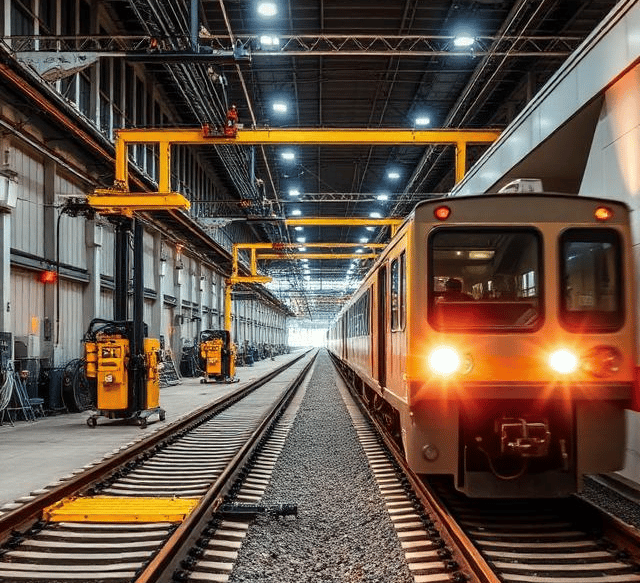
In a landmark move for the nation’s transportation landscape, the Swedish government has unveiled an ambitious transport‑infrastructure plan that earmarks roughly SEK 500 billion (approximately €45 billion) for the country’s rail network over the next twelve years. This unprecedented investment underscores Sweden’s commitment to modernizing its rail system, addressing chronic maintenance backlogs, and preparing for a future of increased mobility and sustainability. The plan is designed to reinforce the backbone of Sweden’s transport network, enhancing both passenger and freight services, and ensuring that the railways can meet the demands of a growing economy and population. By channeling significant funding into upgrades, expansions, and technological improvements, Sweden is positioning itself as a European leader in rail innovation and efficiency.
A central pillar of the investment strategy focuses on tackling decades of deferred maintenance that have left key sections of the network vulnerable to delays, disruptions, and reduced operational capacity. Many stretches of Sweden’s rail lines, particularly in rural regions and northern freight corridors, have long suffered from aging infrastructure, outdated bridges, and deteriorating tracks. By prioritizing repairs and modern replacements, the government aims to enhance safety, reliability, and overall efficiency. Beyond routine maintenance, the plan includes the installation of state‑of‑the‑art signalling systems and advanced traffic‑management technology. These upgrades are expected to dramatically improve train punctuality, optimize scheduling, and allow for higher-frequency services, ensuring that both freight and passenger operators can run their networks more effectively. For freight transport, particularly along vital industrial routes such as the Iron Ore Line, these improvements will reduce bottlenecks and increase capacity, strengthening Sweden’s position in international supply chains.
Beyond maintenance and technological modernization, the SEK 500 billion plan also emphasizes network expansion and long-term strategic development. New lines, track duplications, and improved interconnections between urban centers and regional hubs are central to the vision of a more resilient and versatile rail network. These initiatives aim to reduce congestion, shorten travel times, and foster sustainable mobility by encouraging modal shifts from road to rail — a critical objective in Sweden’s broader environmental strategy. The plan also signals a strong alignment with European transport initiatives, ensuring interoperability with cross-border corridors and supporting climate‑friendly freight and passenger transport. By committing this level of investment, Sweden not only addresses immediate infrastructure needs but also lays the groundwork for decades of growth, innovation, and environmental stewardship. The scale of this undertaking highlights a rare level of foresight in national transport policy, promising tangible benefits for citizens, businesses, and the economy at large.