Sweden–Germany Rail Ferry Extended to 2031: Safeguarding a Critical Baltic Freight Corridor
Source: Trafikverket
12/11/20253 min read
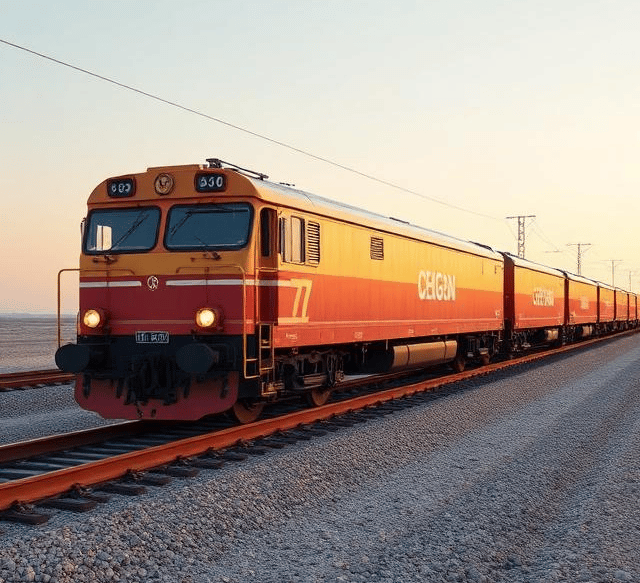
The decision to extend the Sweden–Germany rail-ferry link between Trelleborg and Rostock until at least 2031 marks an important milestone for European freight logistics, maritime–rail integration, and the resilience of international transport corridors. As Sweden’s last remaining train-ferry connection, the route carries symbolic significance, but more importantly, it serves a strategic function in maintaining uninterrupted freight mobility across the Baltic Sea. For decades, the Trelleborg–Rostock rail ferry has functioned as a dependable alternative to land-based or bridge-based pathways, especially as freight volumes have increased, environmental demands have intensified, and large-scale construction or congestion occasionally disrupts Central European rail infrastructure. Its extension offers certainty to logistics operators, rail freight companies, and industries dependent on reliable cross-border supply chains. In an era where the EU’s transport priorities emphasize modal shift from road to rail, the continued existence of a direct ferry route capable of transporting rail wagons helps relieve pressure on continental rail networks while guaranteeing a flexible, multimodal freight solution. Maintaining this service through 2031 signals that policymakers and rail operators recognize its essential role in sustaining both national and international freight flows.
From an economic and logistical standpoint, the extension strengthens Sweden’s position as a northern gateway for European trade. The Baltic Sea region is undergoing rapid development, with increasing flows of goods routed between Scandinavia, Central Europe, and Eastern European markets. The Trelleborg–Rostock link offers a streamlined maritime channel that bypasses some of the bottlenecks associated with overland routes through Denmark and northern Germany, such as the busy Jutland corridor. This is particularly relevant in situations where infrastructure works, weather disruptions, or network congestion affect mainland rail routes. By moving entire railway wagons and freight units directly onto vessels, the ferry provides a seamless transition between rail and sea, reducing handling time and minimizing the risk of delays. The service is not only environmentally advantageous—by promoting a more energy-efficient journey compared to long-distance trucking—but also strategically valuable for Sweden’s export-heavy industries. Manufacturing, timber, steel, automotive components, and agriculture all rely on stable, predictable logistics chains. Knowing that the rail-ferry connection will remain operational for at least six more years allows companies to plan investments, contract strategies, and long-term capacity allocation with greater stability. Additionally, the extension aligns with the European Union’s ambitions outlined in the TEN-T (Trans-European Transport Network) policy, which calls for strengthened multimodal corridors linking northern and central Europe. With the Fehmarnbelt fixed link between Denmark and Germany not expected to reach full operational maturity until around 2030, the continued existence of the Trelleborg–Rostock ferry ensures that the Nordic region is not dependent on a single route or modality during this period of transition.
Beyond its economic value, the extension holds environmental and strategic significance that will shape future transport planning. The EU and Swedish transport authorities have set ambitious climate goals, including reducing greenhouse gas emissions and shifting large portions of freight from road to rail and sea. Rail ferries represent an efficient hybrid model, supporting cleaner modes without sacrificing flexibility or capacity. The Trelleborg–Rostock service already contributes to lowering the carbon footprint of freight by reducing the reliance on road transport for long-haul international journeys. Over the coming years, the extension of the route opens the door to potential modernization initiatives—such as upgrading terminal infrastructure, improving interoperability for European standard wagons, or even adopting alternative-fuel or hybrid-powered vessels. These changes could further reduce the environmental impact of cross-Baltic transport. Strategically, keeping multiple freight corridors active increases resilience against geopolitical uncertainties, supply chain disruptions, or disasters that could impair key rail routes, ports, or bridges. The rail-ferry extension therefore strengthens not only Sweden’s transportation system but also Europe’s collective logistical security. As rail freight operators, terminal managers, and policymakers collaborate on the next steps, the prolonged operation of this historic connection stands as a reminder that multimodal transport solutions—combining traditional railways with maritime assets—remain essential for building a sustainable, stable, and competitive European freight network through the decade ahead.