
Switzerland Extends Freight-Wagon Regulation Deadline: Balancing Safety, Industry Readiness, and Legal Pressures
Source: The Federal Office of Transport
12/10/20252 min read
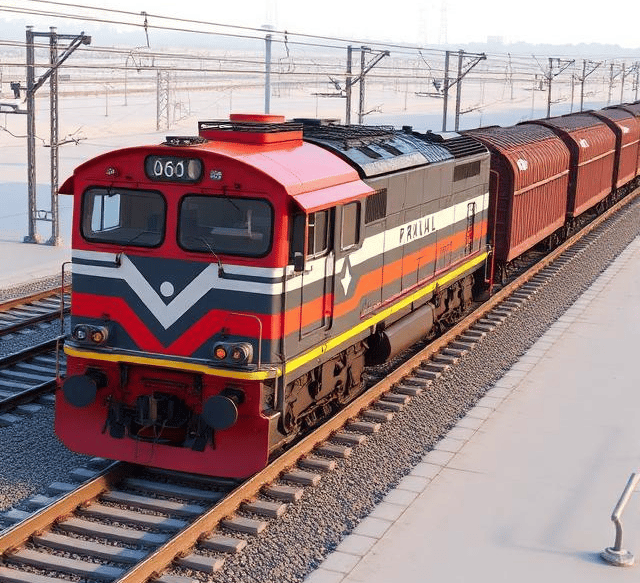
Switzerland’s federal authorities have granted a one-year extension — until the end of 2026 — for freight-wagon owners and maintenance providers to comply with upcoming national safety regulations governing wagon condition, wheel specifications, and inspection protocols. The regulations were originally due to take full effect by the end of 2025, forming part of a wider program to standardize mechanical safety requirements across the Swiss and broader Central European freight network. At the core of the regulatory update is the introduction of stricter minimum wheel-diameter thresholds, clearer definitions of acceptable wear, and more frequent verification cycles for wagons operating on Swiss infrastructure. Safety agencies argue that these measures are essential to reduce derailment risk, maintain consistent braking performance, and avoid mechanical failures on busy transalpine corridors. Switzerland — with its uniquely high reliance on rail freight through sensitive Alpine routes — has historically applied some of the most stringent operational safety rules in Europe, and the new wagon requirements reflect that long-standing regulatory culture.
Yet the announcement of the extension is not merely a technical adjustment; it is a response to growing tension between regulators and the freight sector over feasibility, timing, and economic consequences. Freight-wagon owners, leasing firms, and workshop operators warned that the original 2025 deadline was practically impossible to achieve due to capacity constraints in maintenance depots, shortages of specialized components, and workforce limitations across the European maintenance ecosystem. Several industry associations signaled that they were preparing to file legal challenges against the implementation timeline, arguing that the mandate imposed disproportionate financial burdens that would disrupt cross-border freight flows and threaten the competitiveness of rail transport versus road haulage. For many smaller wagon owners — especially those operating older fleets — compliance would require large-scale wheelset replacements, recalibration of measuring equipment, and expanded documentation and reporting systems. The new deadline provides breathing room, but industry groups continue to warn that without coordinated EU-Swiss alignment, the regulations could fragment standards across Europe, leading to operational inefficiencies at border crossings.
The one-year extension also reflects Switzerland’s broader policy challenge: how to modernize freight-wagon safety standards without undermining the viability of rail freight — a sector central to its environmental and modal-shift objectives. Policymakers are attempting to balance safety imperatives with logistical and economic realities. On one hand, improved wagon condition monitoring is expected to reduce unplanned stoppages on key corridors like the Gotthard and Lötschberg axes, limiting disruptions and costly diversions. On the other hand, the compliance window must account for the fact that many wagons operating within Switzerland are foreign-owned, meaning that regulatory changes ripple far beyond Swiss borders. The extension to 2026 therefore represents an acknowledgment that harmonization with EU partners, time for industrial scaling of maintenance capacity, and legal clarity are all essential to achieving meaningful and enforceable safety improvements. As Switzerland prepares for the new deadline, the freight sector is bracing for an intensive compliance push — one that could set a precedent for future regulatory coordination across Europe’s increasingly interconnected freight-rail landscape.