Transcontinental Rail Revolution: Union Pacific and Norfolk Southern Merge to Forge U.S.’s First Coast‑to‑Coast Freight Railroad
Source: Union Pacific
11/25/20251 min read
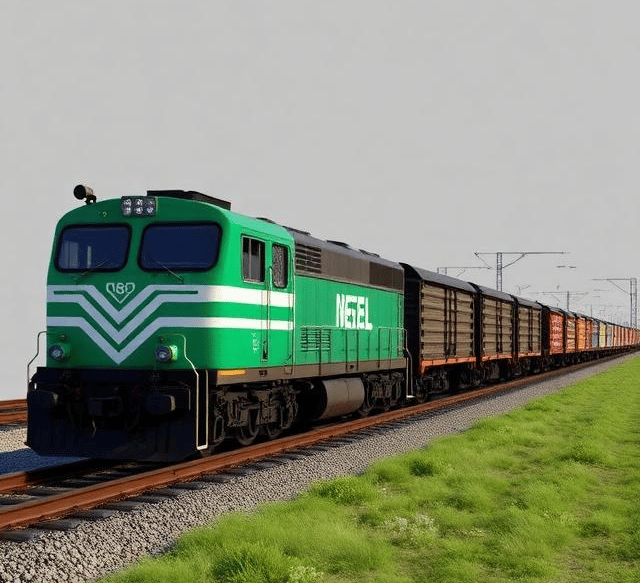
In a landmark move set to reshape the American freight rail landscape, Union Pacific and Norfolk Southern have agreed to a mega‑merger, creating the first truly coast-to-coast railroad in U.S. history. The deal, valued at approximately $71.5 billion, combines Union Pacific’s vast western system with Norfolk Southern’s extensive eastern network, forming a unified operation spanning over 50,000 miles of track across 43 states. This merger promises to streamline freight movement, linking major ports and industrial hubs from coast to coast and providing a seamless corridor for the transport of goods nationwide. By eliminating many of the current interchange points, the combined network is expected to enhance efficiency and reduce transit times for both bulk commodities and containerized freight.
Supporters of the merger highlight the operational and economic benefits of such a consolidation. By integrating the two networks, the companies anticipate significant cost savings and improved asset utilization, potentially generating billions in annual synergies. Shippers are expected to benefit from faster, more reliable service, while the railroad industry may gain a stronger competitive stance against trucking. Moreover, the consolidation allows for the optimization of routes and locomotives, reducing fuel consumption and contributing to lower carbon emissions—an increasingly important consideration for large-scale freight operations. The merger could also accelerate infrastructure upgrades, modernization of signaling systems, and the adoption of advanced logistics technologies, helping to future-proof the rail system for decades to come.
Despite these advantages, the merger faces scrutiny from regulators, labor unions, and safety advocates. The Surface Transportation Board (STB) is carefully reviewing the deal to ensure it does not reduce competition or disadvantage consumers. Labor groups have expressed concerns about potential job losses and diminished bargaining power, while safety experts caution that larger networks may complicate operational oversight, increasing the importance of stringent maintenance and monitoring. Nevertheless, the companies have pledged to retain their workforce and maintain high safety standards. If approved, the merger represents a transformative moment for U.S. freight rail, promising faster, more efficient, and more sustainable transport across the nation.