
Uganda Launches Groundbreaking Implementation Phase of SGR Project to Transform Regional Rail Connectivity
Source: Uganda SGR project website – “Progress” (SGR Uganda)
10/31/20252 min read
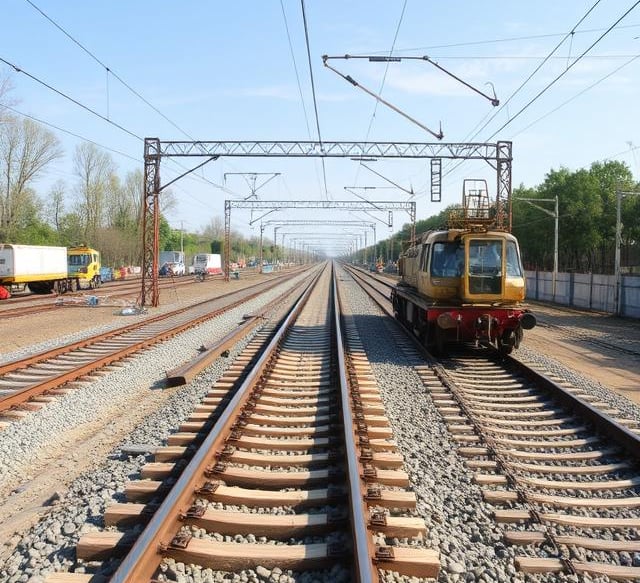
Uganda has decisively moved its Standard Gauge Railway (SGR) project from the planning stage into active implementation, signaling a new chapter for the nation’s transport and infrastructural ambitions. In October 2024, the Ugandan government formally signed a turnkey contract with Turkish contractor Yapı Merkezi (commonly rendered as Yep / Yapi Merkezi) to build the Malaba–Kampala corridor—a stretch of about 270 km that will serve as the first operational leg of the national SGR network. This agreement marks a pivotal moment in Uganda’s efforts to modernize its rail system and integrate more seamlessly with the broader East African logistics grid. Preliminary works have already commenced, underpinned by a €75 million government injection to kickstart surveys, site mobilization, environmental studies, land acquisition, and the establishment of support facilities.
Accounting for a total valuation of approximately US$2.7 billion, the first phase of Uganda’s SGR is strategically designed to restructure the country’s internal and cross‑border rail connectivity. The contract includes not only civil works—such as earthworks, track laying, bridges, drainage, and station construction—but also the procurement of modern rail systems, signaling, electrification (or readiness for electrification), and associated infrastructure. Designed for higher axle loads and enhanced durability, the upgraded line is projected to dramatically reduce travel times between Kampala and the border at Malaba, while expanding Uganda’s freight-handling capacity and creating new corridors for regional trade flows. Beyond construction, the agreement envisages long-term operation and maintenance responsibilities to ensure sustainable performance across the life of the project.
The initiation of the SGR project in Uganda carries significant strategic implications. By shifting a portion of freight from roads to rail, the country aims to lower logistics costs, ease congestion on highways, and improve energy efficiency in transport. The corridor also has the potential to catalyze industrial development along its route, spur urban growth near stations, and enhance Uganda’s role as a logistics hub within the Northern Corridor framework linking landlocked countries to the port of Mombasa. Importantly, the project mandates local content participation, with roughly 40 percent of contract value reserved for Ugandan suppliers, contractors, and labour—bolstering domestic capacity and skills in the rail sector. By launching this flagship implementation phase, Uganda underscores its commitment to transforming railway infrastructure into a backbone of economic growth, regional integration, and sustainable mobility for the decades ahead.