UIC Launches New International Guideline to Reduce Noise from Parked Trains
Source: UIC
10/25/20251 min read
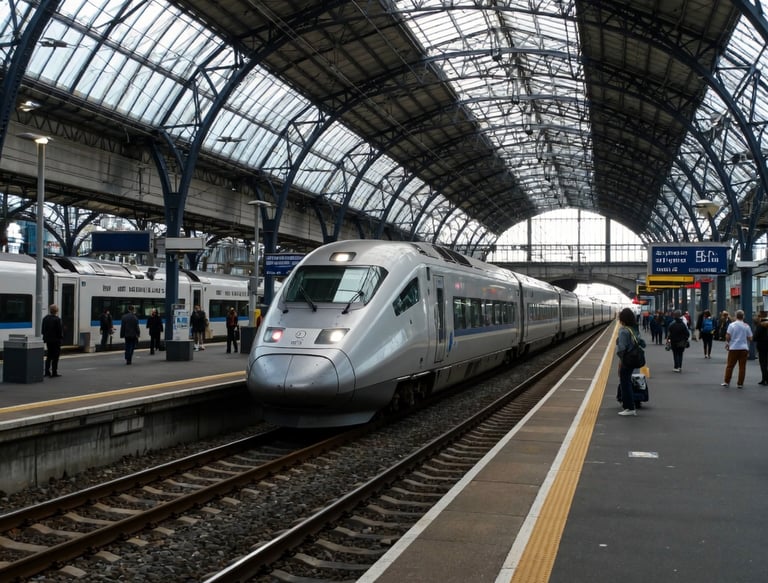
The International Union of Railways (UIC) has issued a new International Railway Solution (IRS 75718) under the NOVITÀ project, specifically addressing noise generated by parked trains in yards, stations, and depots. The guideline provides a harmonised framework for measurement, reporting, and mitigation of stationary train noise, aiming to reduce urban sound pollution and enhance relations with surrounding communities. By standardising methods for data collection, sound analysis, and documentation, railway operators and infrastructure managers can reliably compare noise levels across sites, plan effective mitigation measures, and integrate these practices into routine operational management.
(UIC.org)
The guideline aligns with ISO 3095 and other international noise measurement standards, providing a reference for acoustic consultants, regulatory authorities, and rail operators. It outlines procedures for monitoring, defining acceptable noise limits, and prioritising interventions to reduce impacts on nearby residential and commercial areas. The IRS also encourages the use of quieter rolling stock technologies and infrastructure enhancements, fostering long-term environmental sustainability and demonstrating rail’s commitment to corporate social responsibility. This is particularly relevant as urban rail networks expand and interactions with densely populated areas increase.
Importantly, IRS 75718 supports regulatory harmonisation and informs the European Technical Specification for Interoperability (NOI TSI). By providing a consistent methodology for noise evaluation, the guideline facilitates evidence-based policymaking and cross-border standardisation in Europe. It also promotes proactive engagement with local communities, helping operators anticipate complaints, implement preventive measures, and maintain public confidence. Overall, the IRS enhances operational planning, reduces environmental impacts, and contributes to a quieter, more sustainable rail sector, strengthening rail’s role in achieving Europe’s climate and environmental goals.