UK Renationalizes South Western Railway: A Turning Point in Britain’s Rail Reform
Source: Scottish Sun
11/16/20252 min read
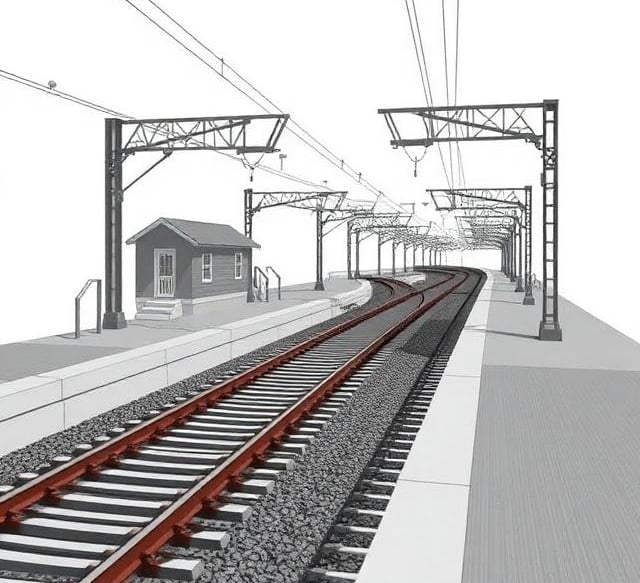
The renationalization of South Western Railway marks one of the most significant shifts in UK rail policy in decades, signaling a move away from the fragmented franchising model that has shaped the industry since the 1990s. By integrating the operator into the newly established state-led body, Great British Railways (GBR), the government aims to create a more coherent, efficient, and passenger-focused system. South Western Railway—one of the country’s busiest commuter networks, serving London, Surrey, Hampshire, and beyond—has faced escalating challenges in recent years, including operational disruptions, financial pressures, and strained industrial relations. The decision to bring it under public ownership reflects a broader consensus that the current model has struggled to deliver reliable and affordable services. By consolidating key functions such as timetabling, infrastructure oversight, and fare regulation under GBR, the government hopes to eliminate duplication, reduce fragmentation, and create a unified structure that allows for better long-term planning. The move restores a level of central coordination not seen since the days of British Rail, but with modern governance systems and performance targets designed to avoid the shortcomings of past nationalisation efforts.
This renationalization is not an isolated measure but rather the first step in a larger transformation of the UK rail landscape. According to the government’s reform roadmap, all ten privately operated rail franchises in England are expected to be absorbed into Great British Railways by 2027. This shift follows years of criticism of the franchising system, particularly after the timetable chaos of 2018 and the financial instability exposed during the COVID-19 pandemic. Under the new public control model, operators will no longer compete for passenger revenue; instead, they will deliver services under standardized contracts while GBR retains strategic authority. Supporters argue that this structure will provide stability, enable consistent investment, and ensure that revenue is directed toward network improvement rather than shareholder returns. Additionally, a return to public ownership allows for clearer accountability—an issue that has long plagued the system, where passengers often struggled to determine whether failures stemmed from the operator, Network Rail, or government policy. The integration of South Western Railway into GBR is therefore seen as a test case for how well the new system can streamline responsibilities and improve performance across the board.
Politically, the renationalization reflects growing public appetite for a railway system that prioritizes social value over market competition. Surveys in recent years have consistently shown strong support for public ownership of the railways, fueled by rising fares, inconsistent service quality, and dissatisfaction with the privatized model’s complexity. The government’s decision aligns closely with this sentiment, tapping into a belief that an integrated network could offer better connectivity, simplified ticketing, and a renewed focus on passenger needs. Industry observers note that the shift also fits within a broader European trend toward more coordinated national rail systems, as countries prepare for increased cross-border travel, digital signalling upgrades, and greater emphasis on sustainability. For the UK, the challenge will be balancing public accountability with operational efficiency—ensuring that state leadership does not lead to bureaucratic stagnation but instead fosters innovation, transparency, and long-term investment. If successfully implemented, the renationalization of South Western Railway could become the cornerstone of a revitalized, passenger-first railway system, setting a precedent for how public transport can adapt to future mobility demands while restoring public trust in the national rail network.