
Ukraine Launches New International Rail Routes to Vienna, Berlin, and Budapest
Source: Ukraine gov
12/3/20252 min read
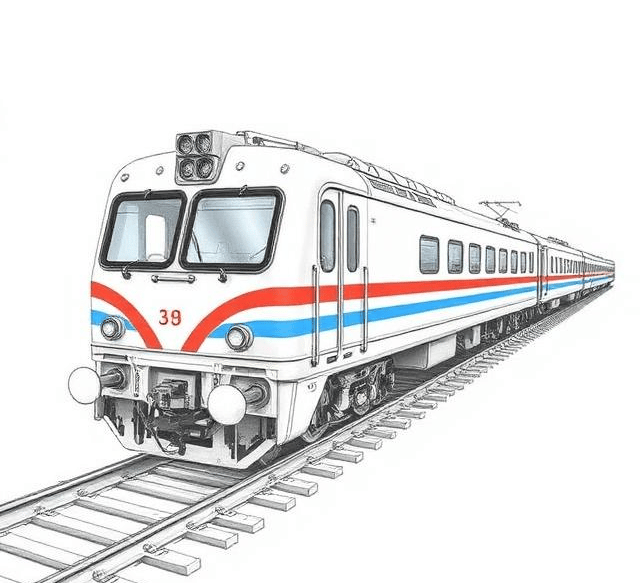

In a major development for European rail connectivity, Ukraine has inaugurated new cross‑border train services connecting key Ukrainian cities such as Uzhhorod, Kyiv, and Dnipro to major European hubs including Vienna, Berlin, and Budapest. Scheduled to commence in December 2025, these routes represent a significant step forward in linking Eastern and Western Europe by rail, providing travelers and freight operators with faster, more reliable alternatives to road and air transport. The new services are expected to strengthen economic ties, facilitate tourism, and enhance mobility for both passengers and goods across the continent. This initiative comes at a time when Europe is increasingly emphasizing sustainable transportation and resilient cross-border infrastructure in response to geopolitical shifts and the growing demand for environmentally friendly travel.
The launch of these services addresses long-standing gaps in international rail connectivity from Ukraine to central Europe. Cities like Uzhhorod, positioned at the western edge of Ukraine near the Slovakian and Hungarian borders, will serve as key gateways for travelers and freight moving westward. Kyiv, the nation’s capital, and Dnipro, a major industrial hub in the east, will now have direct rail links to Vienna, Berlin, and Budapest — cities that are central to both business and cultural exchange. The routes are designed to integrate seamlessly with existing European rail networks, including high-speed corridors, enabling smoother transit and reducing travel times. For instance, passengers traveling from Kyiv to Berlin can now enjoy a single train journey with minimal transfers, providing a convenient and efficient alternative to flights, which are often affected by delays or rising costs.
Beyond passenger transport, the new routes are expected to have a transformative impact on freight logistics. Ukraine is a significant exporter of agricultural products, raw materials, and manufactured goods, much of which relies on efficient transportation to reach European markets. The expanded rail connectivity to Vienna, Berlin, and Budapest will facilitate faster and more predictable freight movement, enhancing supply chain resilience and reducing dependence on road haulage. Additionally, by promoting a modal shift from trucks to trains, the initiative supports European environmental targets by cutting carbon emissions and reducing traffic congestion. Strategically, these new services also bolster Ukraine’s integration into European economic and transport networks, providing both commercial and geopolitical benefits. Overall, the launch of these cross-border trains not only modernizes Ukraine’s rail system but also reinforces Europe’s commitment to sustainable, interconnected, and future-ready transportation infrastructure.