
U.S. Freight Railroads Expand Intermodal Reach with Coast-to-Coast Services
Source: Reuters
11/6/20252 min read
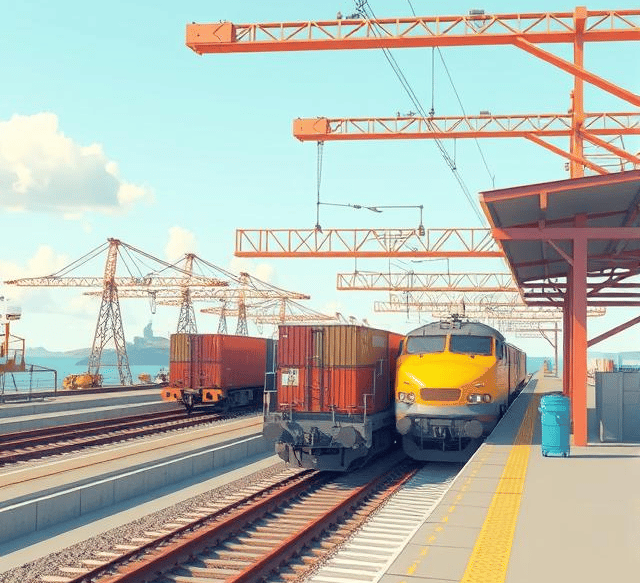
U.S. freight railroads are stepping up their intermodal capabilities with the launch of new coast-to-coast services aimed at connecting major ports with inland markets more efficiently. CSX Corporation and BNSF Railway have rolled out coordinated routes linking Southern California to Charlotte, North Carolina, and Jacksonville, Florida, while also connecting Phoenix to Atlanta and the Port of New York & New Jersey to Kansas City. Together, these routes are expected to handle approximately 150,000 twenty-foot equivalent units (TEUs) annually during the initial phase, with projections to expand capacity to 250,000 TEUs within three years. The initiative targets the growing demand for containerized freight movement that bypasses traditional truck-heavy routes, offering a faster and more predictable alternative for shippers. By leveraging existing rail infrastructure and terminal networks, the two railroads aim to reduce transit times by an average of 12–18 hours per shipment compared with conventional interline rail services, while also increasing operational reliability across multiple key corridors.
The new intermodal services are underpinned by significant infrastructure and operational investments. CSX and BNSF are upgrading key terminals along the route, including facilities at Jacksonville, Chicago, and Kansas City, with expanded container yards, automated cranes, and enhanced track capacity. These improvements are designed to handle longer, double-stacked trains of up to 9,000 feet, which can transport up to 200 containers per train, improving efficiency and reducing cost per unit. The initiative also includes enhanced scheduling and logistics coordination, allowing for tighter delivery windows for time-sensitive freight. By increasing throughput at inland hubs and ports, the railroads aim to shift a meaningful portion of cargo from highways to rail, potentially removing tens of thousands of long-haul truck trips from congested U.S. highways each year, lowering greenhouse gas emissions and easing pressure on road infrastructure.
Economically, the expansion of intermodal services positions U.S. freight railroads to compete more effectively with trucking and short-sea shipping for domestic and international shipments. For example, the Southern California–Charlotte corridor alone is projected to generate $80–100 million in annual revenue by 2026, with anticipated growth as more shippers adopt the faster, lower-cost option. The New York–Kansas City corridor provides a strategic inland alternative for East Coast imports, reducing reliance on multi-leg trucking. The broader implications for supply chains include increased resilience against congestion, faster turnaround times for imports and exports, and improved integration with ports and logistics hubs. If adopted at scale, these new services could reshape U.S. intermodal freight patterns, increase rail’s share of domestic container traffic, and provide a model for additional coast-to-coast and regional intermodal expansions.