
Vietnam’s Northern Economic Corridor Transformed: Groundbreaking for the Lào Cai–Hà Nội–Hải Phòng Railway Set for December 2025
Source: Vietnam Ministry of Construction
12/6/20252 min read
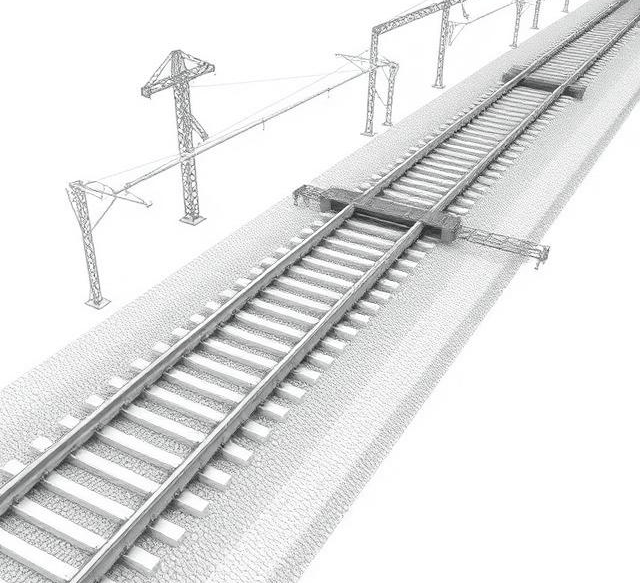
The Vietnamese government has officially confirmed that construction of the long-awaited Lào Cai–Hà Nội–Hải Phòng standard-gauge railway will begin on 19 December 2025, marking one of the country’s most ambitious transport investments in decades. Stretching from the Chinese border at Lào Cai, passing through the political and economic heart of Hà Nội, and ending at the deep-water port of Hải Phòng, this new rail line is envisioned as a strategic backbone for both domestic mobility and international trade. According to reports from Vietnam News and VnEconomy, the project represents a decisive shift from Vietnam’s aging metre-gauge system toward a modern, high-capacity standard-gauge network capable of integrating seamlessly with China’s rail infrastructure. With the corridor serving as Vietnam’s primary gateway for cross-border commerce, the government sees the new line as essential to maintaining competitiveness in an era where logistics efficiency increasingly dictates economic growth.
Valued at USD 8.3 billion, the project is financially and geopolitically significant. Vietnam intends to use a portion of Chinese loans to support the construction, reflecting a pragmatic partnership where both countries stand to gain: China through expanded access to Southeast Asian markets, and Vietnam through reduced transport costs, faster freight movement, and greater investment inflows. The railway is expected to dramatically increase freight-handling capacity by allowing faster, heavier, and more reliable trains. This upgrade will not only accelerate the movement of exports such as electronics, textiles, and agricultural products but also reduce the strain on road transport, which has long been burdened by congestion and high logistics costs. The Hà Nội–Hải Phòng segment, currently one of the country’s busiest trade arteries, will especially benefit from the shift toward rail-based logistics, offering shippers a more stable and energy-efficient mode of transport.
Beyond economics, the project stands to reshape northern Vietnam’s urban and regional development. The new railway will encourage industrial zone expansion along the corridor, stimulate port modernization in Hải Phòng, and improve intercity mobility for millions of residents. Improved rail access is also expected to enhance tourism flows, particularly from Chinese border provinces into popular destinations such as Hà Nội, Sa Pa, and coastal areas. Crucially, the line is part of Vietnam’s broader strategy to build a North–South high-speed railway, meaning the Lào Cai–Hà Nội–Hải Phòng link could evolve into a key component of a nationwide standard-gauge network. As construction begins, the project symbolizes Vietnam’s transition into a modern logistics hub, strengthening its role within regional supply chains and positioning the country for deeper economic integration with China and the wider ASEAN region.