Zambia Railways Sees Transformative Potential in US$1.4 B TAZARA Revitalisation
Source: Zambia Railways Limited
11/20/20252 min read
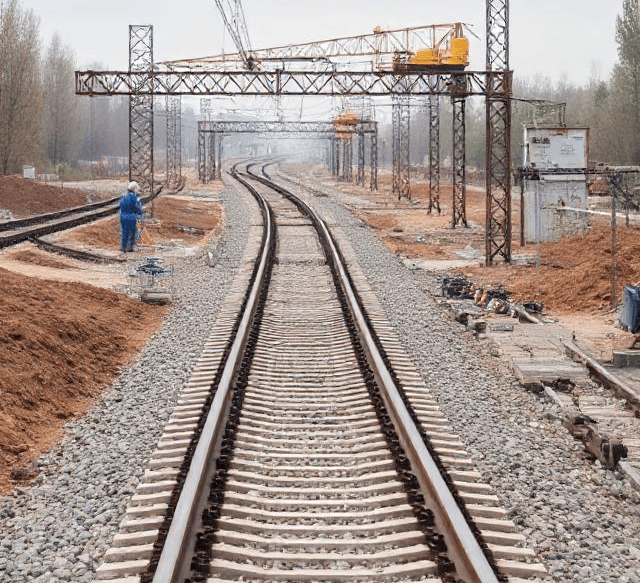
Zambia Railways Limited (ZRL) has expressed its wholehearted endorsement of the landmark US$ 1.4 billion agreement signed between Zambia, Tanzania, and China to revitalise the Tanzania–Zambia Railway Authority (TAZARA). In a September 30, 2025, press release, ZRL extended its congratulations to all three governments and lauded the deal as a historic milestone. The company emphasised that the revitalisation will significantly elevate the role of rail infrastructure in enhancing regional trade, industrialisation, and long-term economic growth in Southern and Eastern Africa. By investing in TAZARA, the partners are not only restoring a vital transport artery but also reaffirming their commitment to deeper integration and shared prosperity across borders.
According to ZRL’s Managing Director, Eng. Cuthbert Malindi, the rehabilitation of TAZARA is a “catalyst for enhancing trade facilitation in the region.” He argued that upgrading this corridor would provide Zambia with a more reliable and efficient route to the Port of Dar es Salaam, dramatically improving the country’s export competitiveness. For ZRL, the project is not just a boost to the railway network but also an opportunity to connect Zambia’s mineral-rich hinterland more effectively to global markets. In Malindi’s view, a modern, well-functioning TAZARA line strengthens Zambia’s logistics infrastructure and empowers its extractive industries by lowering transport costs and reducing transit times — crucial factors in sustaining growth and driving investment.
Beyond commercial advantages, ZRL sees the revitalisation as a strategic imperative for its own long-term operations. The company has pointed out that its own infrastructure and capabilities need to be upgraded to support the anticipated surge in traffic once TAZARA is modernised. With this in mind, ZRL believes that the deal underscores the vital role of its network as a key link in the broader regional transport system. By positioning itself as a capable and forward-looking partner, ZRL aims to avoid being a bottleneck and instead become a cornerstone of a more integrated, efficient rail corridor. This alignment of national and regional priorities through a strong public-private partnership framework not only promises immediate benefits but also lays the foundation for sustainable development and deeper regional connectivity over the coming decades.